





Stretch It Body Jewellery
SIBJ is one of the world's leading online specialist retailers and wholesalers in ear stretching kits, plugs, aftercare and body jewellery. We have over 10 years of experience in selling high-quality, unique ear stretching jewellery providing the knowledge, expertise and tools to stretch up confidently and safely.
"This rebellious surface-piercing is 100% worth it if your anatomy plays ball and you're willing to put in the aftercare."
You could say the bridge piercing, or the erl piercing as it’s also known, hits you right between the eyes - literally. But whatever name you call it by, the bridge piercing divides opinion like Marmite and guarantees attention.
On one hand, some people clock it and think it’s bold, striking, and subversive.
On the other hand, they’re wary and question the safety of putting metal through the bridge of your nose. And not without good reason.
You see, the bridge piercing isn’t like piercing your lobe or your cartilage. It's a surface piercing, where the needle skims through skin alone. This means it’s held up by nothing but a tiny shelf of tissue, and it’s why the nose bridge piercing comes with its own playbook.
All the same, you could be rocking it for years if you get it done properly and respect the healing process. But you’re asking for trouble if you rush it, skimp on bridge piercing aftercare, or let your glasses have a go at it.
This guide breaks down all the need-to-know stuff before you book in, including:
- What a bridge piercing involves
- How much does a bridge piercing cost?
- Bridge piercing pain
- How to keep it alive and kicking
- When to worry about bridge piercing rejection, migration and scarring
Discussed In This Post
What Is a Bridge Piercing?

Picture a horizontal titanium barbell across the top of your nose, right where glasses go if you wear them (more on that later).
It can set you back anywhere between £25.00 - £60.00 give or take, depending on factors like:
- Studio
- Location
- Type of starter bridge piercing jewellery you go for
And it plays by a completely different set of rules than your standard ear or nose piercings, because it's a surface piercing.
In short, no bone, no cartilage, just skin holding your jewellery in place. It looks super striking. But it also needs serious bridge piercing aftercare and attention to settle in.
Do You Even Have the Shelf for a Nose Bridge Piercing?
Any piercer worth their salt will tell you upfront that not every face is built for a bridge piercing.
For this reason, a proper professional will check, before any needle comes near you, if you've got enough of a raised shelf of tissue between your eyebrows to anchor bridge piercing jewellery.
Here's the quick test you can do at home to get a feel for your suitability or not. It’s as rudimentary as raising your eyebrows and paying close attention to what happens on your face when you do:
- The skin across the bridge of your nose pulls tight and flat - This is often a sign your anatomy might not be the best match for this placement
- There's a bit of give and a proper bridge of flesh to work with - You're generally in better shape for it
So, don’t get stroppy if your piercer says no. They’re not refusing for the sake of it. Why would they? But they understand the single biggest factor for this surface piercing surviving or tanking.
What Happens During the Bridge Piercing Process?
This is non-negotiable territory.
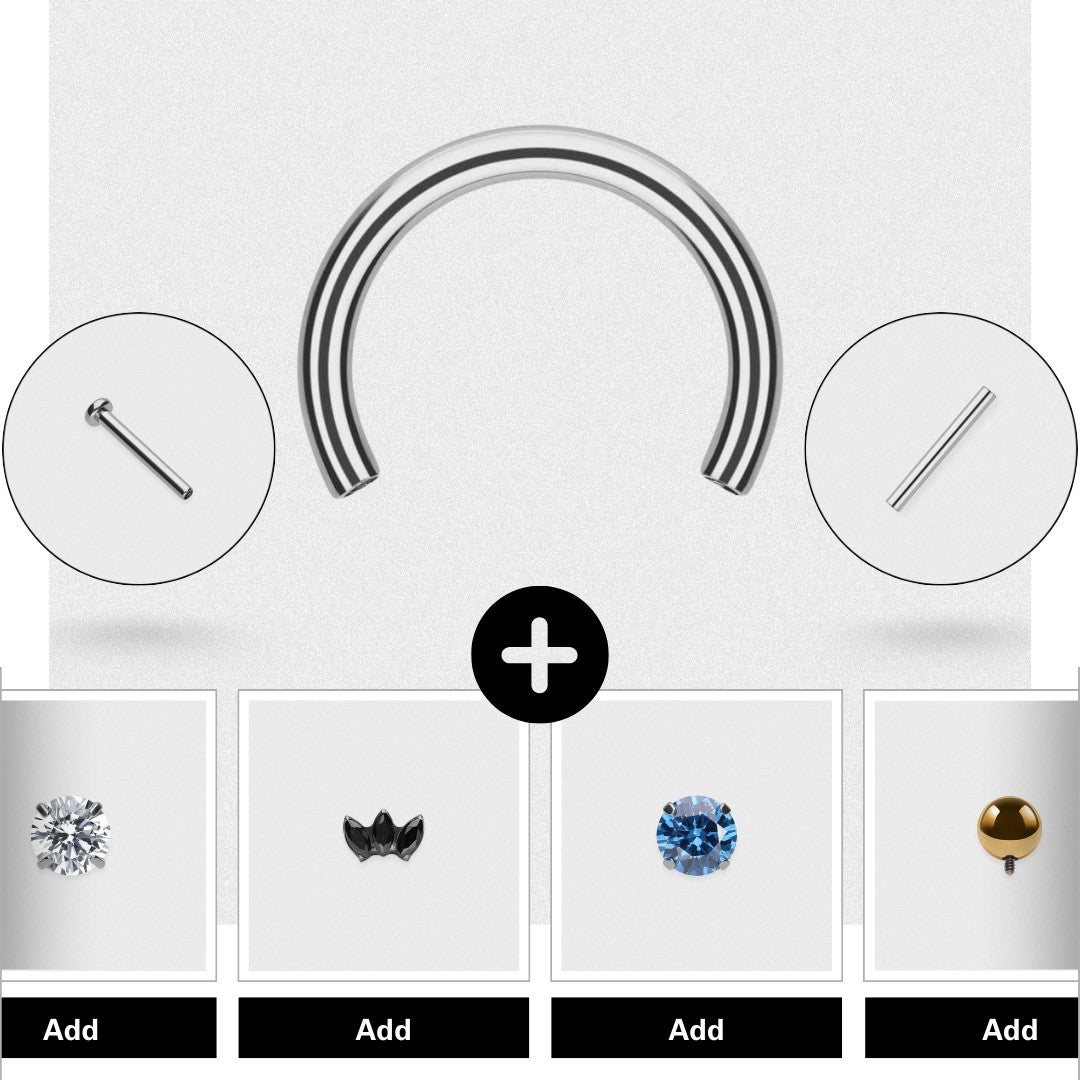
A fresh bridge piercing should only ever start life with a straight barbell. Never a curved barbell. Never a ring.
It's not a style preference. It's basic physics. Here’s the science…
Gravity pulls down on any curve. In terms of a nose bridge piercing, this means dragging on the tissue and dramatically upping the chances of rejection.
Pro tip: Go for a medical-grade titanium barbell. It's as hypoallergenic as bridge piercing jewellery gets and keeps irritation to a minimum while you're healing.
How Does Bridge Piercing Pain Rank on the OMFG-o-Meter?
Surprisingly to many body modders, bridge piercing pain tends to rank a fairly modest 3 or 4 out of 10 on the soreness scale, despite it sitting slap bang in the middle of your face.
The needle's only travelling through thin skin rather than cartilage or bone. For this reason, most folks describe it as a sharp pinch that’s over in seconds rather than anything too dramatic.
These are the sensations you’ll probably experience to some degree:
- Watery eyes - Completely normal, and it's just a reflex, not a sign you're in agony
- Clamps holding your skin taut - In truth, most people find this more uncomfortable than the needle itself
- Aftermath - There’s usually a dull ache, some tightness, and mild swelling for the first few days, which regular painkillers manage just fine
And then it’s all about healing, healing, healing.
Why Bridge Piercing Healing Time Isn’t a Sprint
This is where bridge piercing is a contradiction.
The initial poke’s smooth sailing. But the healing is more challenging.
Why? Because surface-level healing takes roughly 8 to 12 weeks. But the tissue underneath can take anywhere from 4 to 12 months to fully settle.
So, here’s the golden rule. Just because it looks calm and settled after two months doesn't mean it's healed on the inside. Patience is everything when it comes to bridge piercing healing time. As is aftercare, too.
What’s a Solid Bridge Piercing Aftercare Routine?
A bridge piercing is an open wound on the surface of your skin. Plus, it's more exposed to knocks, snags and irritation than almost any other piercing.
That said, a decent bridge piercing aftercare routine is simple. But it must be consistent if you’re going to feel the benefits:
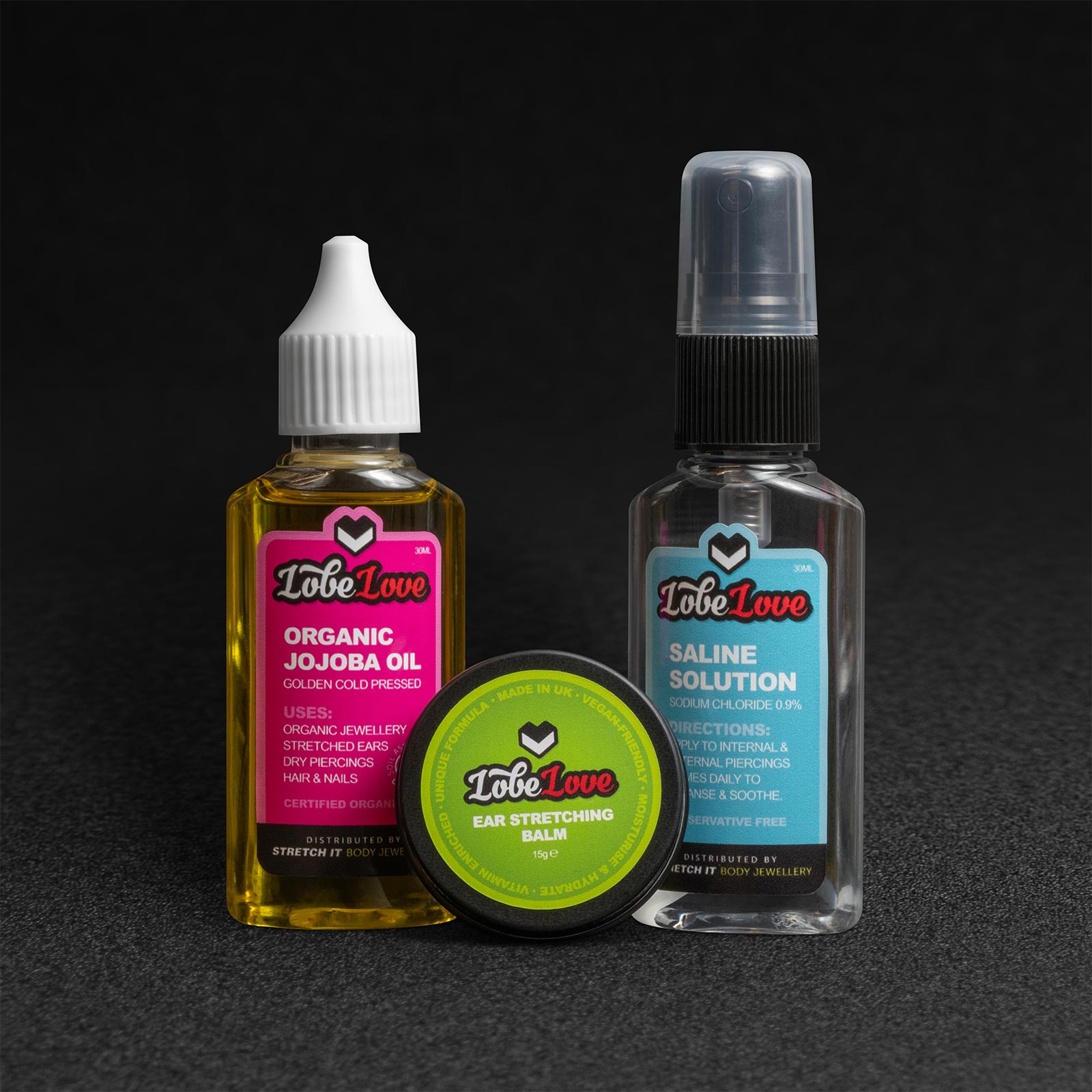
Clean it twice a day with LobeLove™ saline aftercare spray
The nose bridge piercing comes into contact with glasses, fringes, pillowcases, the lot. Thankfully, it gets all the backup it needs from the pros’ favourite saline aftercare spray. A quick mist flushes away any buildup of crust and grime around fresh jewellery, without drying out or irritating the skin your piercing relies on to heal. This also means less chance of tipping it towards bridge piercing rejection, which can be a main character energy here.
Hands off
It’s tempting. But no twisting, turning, or fidgeting with it.
Skip the pool, hot tub and wild swims
Don’t even think about it until you’re fully healed.
Steer clear of alcohol, makeup, lotions, beauty products or harsh chemicals
These can dry out and aggravate the tissue rather than helping it.
Don't rush downsizing jewellery
Give it a solid two to three months minimum before a professional downsizes your bar to a shorter and less snag-prone piece.
Let’s Talk About Risks
The bridge piercing isn’t a life-threatening condition, but it’s really high maintenance.
So, let’s go through what you're up against:
Bridge piercing rejection and migration
There’s barely any flesh to anchor into. So, your body can decide your jewellery’s gatecrashing, and start pushing it out or shifting its position over time.
Bridge piercing scarring
If your piercing migrates, gets rejected, or takes a bad snag, it's likely to leave a visible mark behind. Worth knowing before you commit, bearing in mind we’re talking about the middle of your face.
Infection
Like any piercing, bacteria can get in while it's healing. In this particular case, an untreated infection shouldn’t be taken lightly, given how close it is to your sinuses and eyes.
Snagging and irritation
Snagging or repeated pressure from glasses, helmets or sleeping positions can prolong healing and encourage piercing migration.
And What About a Bridge Piercing with Glasses?

There’s nothing to stop you getting a bridge piercing with glasses. But it takes a bit more forward planning:
- Bring your glasses to your appointment - A good piercer will use them to mark up the placement with your frames on your face.
- Prepare to accessorise - Chunky acrylic frames can interfere with healing. To ensure this doesn’t happen, think about adjustable nose pads, lighter frames, or contacts for the first several months.
- Take your glasses off carefully - Lift them straight up and off rather than sliding them across the bridge of your nose to avoid snagging fresh jewellery.
- Make adjustments - Your piercer might suggest a slight modification to keep your frames clear of your barbell altogether.
But once you get past the awkward phase, there’s no reason not to realistically hope for a well-adjusted, enduring erl piercing.
How Long Will It Last?
Longevity is a lottery with a surface piercing.
A bridge piercing can last anywhere from 3 to 10+ years with the right anatomy, good jewellery and proper care. Conversely, bridge piercing rejection can happen in a few short months, no matter how careful you are.
Luckily, there are many ways to stack the odds in your favour:
- Avoid resting glasses directly on the piercing
- Stick with a quality titanium barbell, nothing heavy, oddly-shaped or cheap
- Let a professional downsize your bar once initial swelling settles, usually around the 10 - 12-week mark
- Keep your saline aftercare spray going and resist the urge to fiddle
FAQs Everybody’s Asking
Q. How much does a bridge piercing cost?
A. Generally somewhere in the £25.00 - £60.00 bracket. Although this can vary by studio and location, so check directly with your chosen piercer for accurate pricing.
Q. What’s typical bridge piercing healing time?
A. Surface healing usually takes 8 to 12 weeks. But the tissue underneath can take anywhere from 4 to 12 months to fully settle.
Q. Can I wear a hoop or curved barbell in my bridge piercing?
A. No, not if you really want to play it safe. Curved jewellery and rings put pressure on the tissue and ramp up bridge piercing rejection risk. Stick with straight barbells for the sake of your skin.
Q. What bridge piercing rejection signs should I look out for?
A. Look out for these red flags:
- The hole appearing to grow
- Bridge piercing jewellery visibly shifting position
- The surrounding skin turning red and flaky
Get back to your piercer straight away if you spot any of this.
Q. Can I get a bridge piercing with glasses?
A. Yes, but bring your glasses to your appointment so your piercer can plan the placement around them. And be prepared for some extra care and potential adjustments while it heals.
Ready to Cross That Bridge?
The not-so-good news is the hefty commitment. But the fan-f*cking-tastic news is this rebellious surface-piercing is 100% worth it if your anatomy plays ball and you're willing to put in the aftercare.
So, here are three key factors to think about before acting on it:
- Get your anatomy checked by a professional piercer who knows what they’re talking about
- Choose quality bridge piercing jewellery
- Treat bridge piercing healing time and the aftercare process with due respect
Thinking about taking the plunge?
Already rocking a bridge piercing and want to keep it healthy?
At Stretch It Body Jewellery, you’ll discover the lowdown on the process, aftercare essentials, and the dopest bridge piercing jewellery to boost its chances of survival. What’s stopping you?
Subscribe To Our Awesome Mailer
No spam. Just discounts, exclusive promotions and ear stretching tips & tricks you won't want to miss.
Our Best Selling Products
Our Favourite Products
Ear Stretching Inspo