



Stretch It Body Jewellery
SIBJ is one of the world's leading online specialist retailers and wholesalers in ear stretching kits, plugs, aftercare and body jewellery. We have over 10 years of experience in selling high-quality, unique ear stretching jewellery providing the knowledge, expertise and tools to stretch up confidently and safely.
"Piercing rejection and migration aren't things to brush off. But conversely, they're also not the doom-spiral internet horror stories might have you believe."
Piercing rejection and piercing migration play funny games with your ears - mainly with good reason. But what are they all about? How do you know when they strike? And what should you do about it?
Well, perhaps you’ve noticed piercing migration from where you swear it was when you got it done. Or your skin’s looking a bit thin and ropey. Or a pesky bump doesn’t look like it’s going anywhere any time soon.
You're in the right place, because we're about to break down piercing rejection and migration - two of the most misunderstood things in piercing.
In this article, we’re serving up honest, useful information about all the key stuff like:
- Signs of piercing rejection or migration
- What causes a piercing to reject?
- How to prevent piercing rejection and migration
- Piercing migration and what to do
- Can you re-pierce after rejection or migration?
Grab a coffee or something stronger (no judgement). Let's get under the skin of this.
Discussed In This Post
Piercing Rejection or Piercing Migration - What’s the Difference?
All piercing rejection starts as migration. But not all migration ends in rejection.
Piercing migration is when your jewellery gradually shifts from its original placement. It can happen over weeks or even months. So, you might not clock it at first.
The entry and exit points drift, the angle changes, and your piercing ends up in a completely different spot to where it started.
The good news is migration doesn't always spell disaster. Sometimes a piercing migrates a tiny bit, settles in a new spot, and stays there. It’s annoying if it moves somewhere it doesn’t sit right. But it’s not the end of the world.
But piercing rejection is your body’s way of saying "Not today" and really meaning it. As a result, your jewellery is pushed completely out through your skin.
What’s more, it causes piercing rejection scarring if you don't catch it in time.
Piercing Rejection vs Migration

If migration is the journey, rejection is the destination nobody wants to reach.
At least a migrating piercing might stabilise. The body adjusts. Things can calm down. And your piercing heals in its new spot. It's not ideal, but it's liveable.
But when piercing rejection is in full swing, your jewellery’s on its way out, no ifs or buts.
The telltale piercing rejection signs are visible, such as:
- Skin over the piercing gets progressively thinner
- It goes slightly shiny or shows the bar of the jewellery under it
- Irritation bumps form, crust over, disappear, and re-form, with the skin between you and the outside world getting less every time
So, listen if your piercer says it can't be saved and needs to come out, to avoid piercing rejection scarring if your jewellery’s fully pushed out. It’s not pretty. Plus, it can make it difficult or even impossible to re-pierce the area later, depending on its position.
How to Spot Signs of Piercing Rejection or Migration
It’s always more manageable to catch piercing rejection signs early. Here's what to look for:
Jewellery moving -
Something's shifting if the entry and exit holes look different to where they originally were. It can be useful to compare photos over time if you're not sure.
Skin getting thinner -
Piercing migration is probably in progress if the tissue between the piercing holes is thinning, going shiny, or starting to look almost translucent.
More bar showing -
Can you see more of the barbell under the skin than when you were first pierced? If yes, it’s because your jewellery’s moving towards the surface.
Irritation bump not going away -
Bumps can pop up for all sorts of reasons, like sleeping on a piercing, or a snag on clothing. So, a bump doesn't automatically signal piercing rejection. But a cycle of forming, crusting, and re-forming while the skin simultaneously gets thinner should be taken seriously.
Redness, swelling or discharge persisting -
Some of this is normal when a piercing is fresh. But you should revisit your piercer if it's ongoing and not improving with proper aftercare.
But why does this shit happen to good people?
What Causes a Piercing to Reject or Migrate?
There are specific reasons some piercings migrate and others don't.
Placement and anatomy
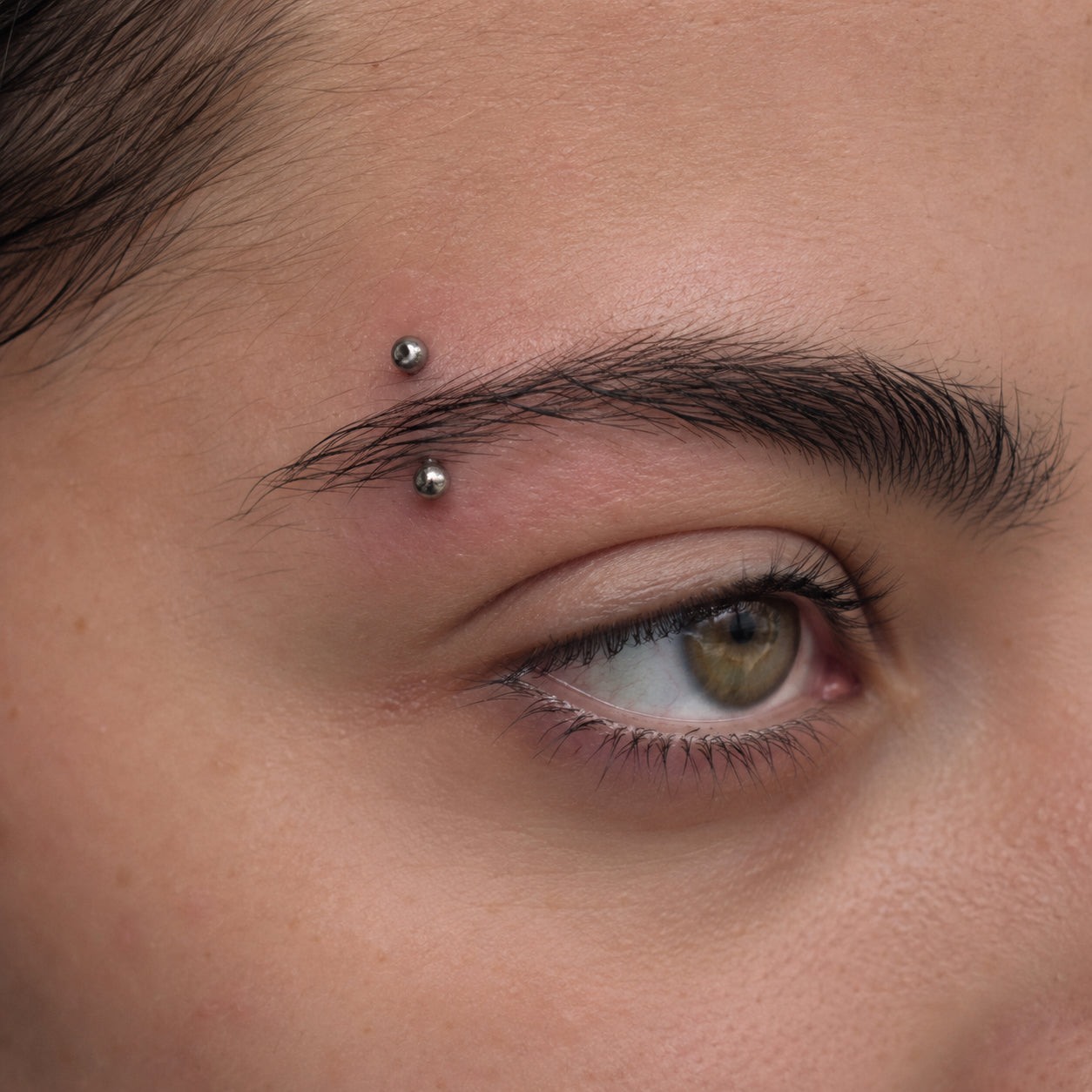
This is probably the single biggest factor, and surface piercing rejection is most common, like navel piercing migration, eyebrow piercing rejection, napes of the neck, sternum piercings, and dermals. This is because there isn't much deep tissue for the jewellery to latch on to.
On the other hand, deeper piercings in ears, noses and tongues are far less likely to reject, because there's tissue power to hold everything in place.
Placement errors
Take navel piercings as a prime example of this. What happens if a piercing is put at the front of the navel, rather than inside it? There's not enough stable tissue to support the jewellery, so navel piercing migration and rejection often follow, because the anatomy isn’t suitable for the placement.
Low quality jewellery causing piercing rejection
You might get away with cheap mystery metal from a market stall or fast fashion website with fully healed piercings and non-sensitive skin. But low quality, plated, plastic or otherwise dodgy materials can trigger a reaction in delicate healing tissue.
Wrong-sized jewellery
A too tight or too thin hoop or ring can literally slice through the skin over time. A too short bar puts pressure on the tissue and causes trauma. Or a too-long bar catches on clothing and causes repeated snagging.
Trauma and snagging
A hard enough snag can be enough to send a perfectly settled piercing into migration mode.
Lifestyle factors
Sleeping on a fresh piercing or touching it too often with unwashed hands can cause piercing migration and especially surface piercing rejection.
Pregnancy
The body goes through massive changes during pregnancy, including hyper-vigilance about any foreign or potentially harmful bodies. For this reason, even old, fully healed piercings can start to migrate during pregnancy.
Unique body chemistry
Some bodies are simply more prone to piercing rejection and migration than others. But it doesn’t mean every future piercing will go the same way. It’s completely subjective.
So, what’s the plan if you spot signs of piercing rejection or migration?
Can You Stop It Once It's Started?

No, you can't reverse rejection once it’s underway. That ship has sailed.
But you can make sure it causes as little damage as possible on its way out. Specifically, prompt professional removal can reduce the severity of any piercing rejection scarring left behind.
And what about piercing migration in its early stages, when it hasn't progressed to full rejection?
A piercer might suggest a change in jewellery size, style, or material to help stabilise things. Note: This needs a professional eye, not Dr Google.
In any event, it goes without saying that prevention is better than cure.
How to Prevent Piercing Rejection and Migration in the First Place
Prevention, as always, is where it's at. So, what are the golden rules of how to avoid piercing rejection and migration?
Go to a reputable piercer
An experienced piercer assesses you before laying a hand on a needle. This enables them to place the piercing correctly for your body and set you up with the right jewellery from the start.
Invest in decent jewellery
Implant-grade titanium and surgical steel are your BFFs. They’re biocompatible, which means your bod is less likely to kick off about them.
Don't go too small on gauge
Thinner jewellery is more likely to migrate than thicker pieces, because there's less resistance against your body's attempts to push it out.
Follow your aftercare routine consistently
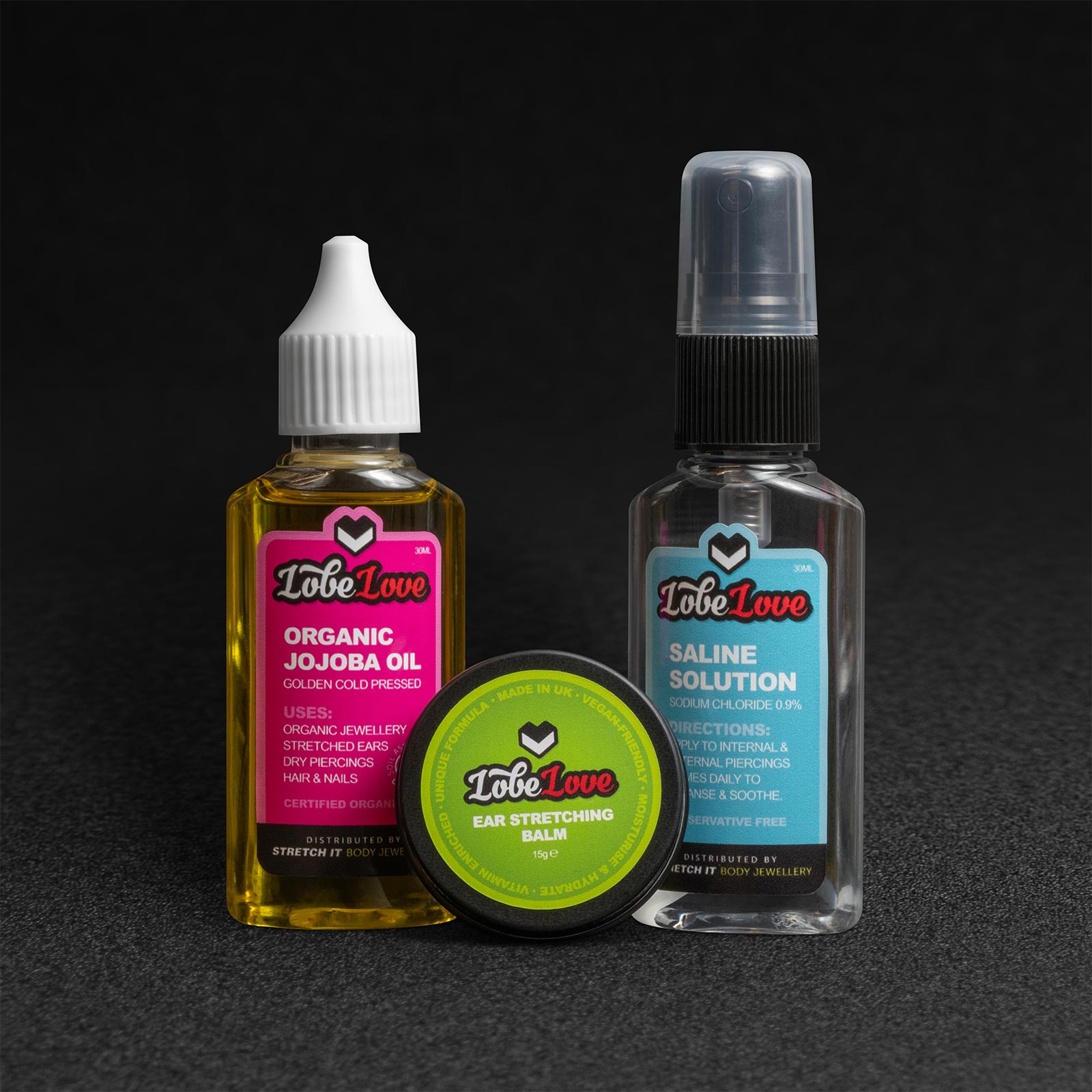
LobeLove™ Professional Saline Piercing Spray, clean hands, leaving it alone… Well, your piercing deserves better than tap water and good intentions. And this pro-grade solution works on fresh and grumpy piercings if they’re being a bit dramatic. Just one quick mist reduces the risk of ongoing irritation and piercing migration.
Don't sleep on it
A travel pillow with a hole in the middle is ideal if you're a side sleeper with a fresh ear piercing, especially in the early months.
If in doubt, shout your piercer for a check-up if something looks different, feels different, or is nagging at you.
FAQ: Your Rejection and Migration Questions Answered
Q. How do I know if my piercing is just irritated or I’ve got a piercing rejection?
A. Irritation tends to involve a bump, redness, and mild discomfort. These symptoms should improve with aftercare and time. But piercing rejection involves thinning skin over the jewellery and piercing migration. Get to a piercer if your skin is getting thinner and the placement’s changing.
Q. Can you re-pierce after rejection?
A. Sometimes, yes, but not always, and not immediately. The area needs to fully heal first, which can take months. Also, re-piercing might not be possible through or near the same spot, depending on the piercing rejection scarring left behind. A professional piercer can advise once things have settled down.
Q. Does rejection always leave piercing rejection scarring?
A. Some scarring is common, especially if the rejection runs its full course before the jewellery is removed. This is why it’s better to get your jewellery taken out promptly, as soon as you know piercing rejection is happening. It often results in less scarring than leaving it to push out entirely on its own.
Q. Are some piercings more likely to reject than others?
A. Yes. Surface piercing rejection, such as navels, eyebrows, sternum, napes, and dermals, are higher risk than deeper piercings like lobes, nostrils, and tongues. It all comes down to the mass of tissue anchoring the jewellery in place.
Q. I’ve seen slight piercing migration. But it seems to have stopped moving. Should I take it out?
A. Not necessarily. But get it assessed by a professional piercer. Hopefully, it’ll be fine to keep if it's genuinely stabilised and healing well in its new position. Or it might be wiser to remove it sooner rather than later if it's still moving, or if your skin over it is thinning.
Stop the Eviction Before It Gets Ugly
Piercing rejection and migration aren't things to brush off. But conversely, they're also not the doom-spiral internet horror stories might have you believe.
You too can reduce your risk and keep your piercings exactly where they're supposed to be when you’ve got the right piercer, jewellery, and aftercare. And where they’re supposed to be is looking sick on your body.
And if something goes arseways?
The earlier you catch it, the better the outcome. But don't panic, and don't pull the jewellery out yourself in a moment of 3am anxiety.
At Stretch It Body Jewellery, we’re here if you're planning your first piercing or adding to an already impressive collection.
You’ll find everything from expert aftercare guides to implant-grade jewellery your body will rock - safely.
Dipping your toe into alternative style? Been living it for years? Come find your community.
Subscribe To Our Awesome Mailer
No spam. Just discounts, exclusive promotions and ear stretching tips & tricks you won't want to miss.
Our Best Selling Products
Our Favourite Products
Ear Stretching Inspo