




Stretch It Body Jewellery
SIBJ is one of the world's leading online specialist retailers and wholesalers in ear stretching kits, plugs, aftercare and body jewellery. We have over 10 years of experience in selling high-quality, unique ear stretching jewellery providing the knowledge, expertise and tools to stretch up confidently and safely.
"A safe piercing studio should look and feel clean, organised, and well-lit for piercers to clearly see what they’re doing."
You’re going to want the best piercers when you’ve decided to pay someone to deliberately poke holes and shove metal through your skin. Because there’s more to the process than a quick pinch and you’re done.
This is especially true when you’re into serious body mods. You want your plugs, tunnels, labrets or septums to heal like a dream and look wicked.
So, here’s the juicy guide you need to suss out what to look for in the best piercers (and the nastiest ones). Let’s get started.
Discussed In This Post
Why It’s Crucial to Pick the Best Piercers for the Job
Imagine walking into a presumably safe piercing studio, all pumped for your fresh tragus or belly bar. You pick your jewellery. They mark you up. The needle goes in. And boom, you’re done.
Then it gets infected, it sits crooked, your body rejects it, or you wake up with bumps because the jewellery’s crap.
It sucks. But it’s avoidable when you use the best piercers who:
- Care about both the long-term health of your piercing and the raddest looks
- Maintain pristine piercing hygiene standards
- Never just take your money, run, and leave you with a mess if something goes wrong
So, it’s wise to get familiar with all the traits of a credible certified piercer, like:
- What to expect
- What you shouldn’t tolerate
- How to spot the red flags before any metal touches your skin
What Makes the Best Body Piercer for Your Needs?
There’s a lot to take in when wondering how to choose a piercer. So, let’s break it down into bite-sized, snappy sections you can read at your own pace and really absorb.
They cover:
- Safety and piercing hygiene standards
- Experience and expertise
- Communication and professionalism
- Implant-grade jewellery
- Aftercare for piercings
How to Tell a Safe Piercing Studio from a Danger Zone

There are plenty of potential skeletons in the studio closet when it comes to safety and compliant piercing hygiene standards. Germs, infections, and lousy sterilisation are just the tip of the iceberg.
And truthfully, all the sexier stuff doesn’t stand for mishaps if your piercer falls short on the following fundamentals:
Clean and Tidy Environment
- A safe piercing studio should look and feel clean, organised, and well-lit for piercers to clearly see what they’re doing. You want a clean disinfectant smell, not dust or mildew. In addition, minimal fabric surfaces are a mark of the best piercers, who know fabrics trap allergens and bacteria.
- Distinct clean zones for sterilisation, piercing, and customer waiting reflect solid organisation and good piercing hygiene standards.
- The best piercers use disposables straight from sealed packaging and keep logs for sterilisation procedures.
Safe and Sterile Equipment
- Let’s get this straight. The best piercers don’t touch piercing guns. These weapons of piercing destruction are blunt, brutal, and impossible to sterilise properly. This means higher risk of infection, bloodborne nasties like Hepatitis, and irreversible cartilage damage. Add in cheap jewellery and rushed retail store training. It’s a clanging alarm bell. On the other hand, pro piercers use sterile, single-use hollow needles for cleaner entry, less trauma, and safer healing.
- Piercing tools should be sterilised in a piece of kit called an autoclave. It’s responsible for ensuring compliant instrument cleaning in healthcare. So, the best piercers and also tattooists are in good company. No soaking. No wiping. Autoclaves are where it’s at for avoiding the risks of bad piercing.
- A certified piercer should also have proper UN-approved, puncture-proof biohazard containers for the disposal of used needles. They’re often bright yellow. So, you know you’re in a safe piercing studio when you need your sunnies.
- New, clean needles and gloves are essential. Run if they reuse gloves or needles, or skip changing gloves after touching something non-sterile.
Infection Control
- Can they tell an infection from normal healing bumps? Besides having the expertise, a professional piercer is also happy to share their knowledge about sterile techniques, aftercare for piercings, and things to avoid.
- The best piercers give realistic warnings about stuff like potential ear swelling, or what to do in case of various scenarios. It shows they know their stuff and they’re bothered. In fact, it’s professional courtesy.
How to Choose a Piercer Based on Know-How and Training
You want more reassurance than “I’ve done loads of ears.” And you’ll get it from a certified piercer who knows anatomy, what heals well, and what doesn’t.
Consultation
- Expect a pre-piercing consultation. They look at the shape and skin thickness of the area you want pierced, and check for scarring and sensitivity.
- They should talk to you about placement options based on your unique anatomy.
Experience and Education
- Everybody has to start somewhere, and lack of experience doesn’t necessarily entail worse risks of bad piercing. All the same, the best piercers have years of real know-how at their fingertips, often across cartilage, lobes, and other body parts.
- Do they attend workshops, courses, and conferences? Best practices evolve. And the best piercers are keen to stay on point (literally!).
Certifications
- Every piercing studio in the UK must be licensed by their local council. Piercers are legally required to operate only from approved premises and comply with strict hygiene, health, and safety standards. Operating “under the radar” isn’t just bad practice - it’s illegal.
- Look for piercers trained in first aid, CPR, and bloodborne pathogens.
- They’re not the best body piercer for you or anybody’s body if they don’t have business and treatment insurance. This is your safety net if it doesn’t go to plan.
How’s Their Communication and Professionalism?

The best piercers do more than the deed. They’re also your piercing NBFs. Put it this way. The pain is real. And your nerves are probably jangling. So, you want somebody who doesn’t diss you for flinching or asking questions.
Portfolio and Connections
- Ask to see pictures of recent, fresh and healed work. Is the angle straight? Do they consistently use sparkling implant-grade jewellery, internal threading, and no rough edges?
- Not done the kind of piercing you want? Can they refer you to a trusted industry colleague who has?
Good Vibes
- The best piercers work in private or semi-private consultation and procedure rooms for your comfort and confidentiality, especially if your piercing calls for some level of undress.
- A good bedside manner is an asset. They’re performing an intricate procedure on you. So, you’re allowed to be meticulous. And you want them to have patience, answer questions with kindness (even if they think you’re a dumb noob), and not panic you by rushing.
Transparency
- A pro certified piercer should talk you through the risks of bad piercing and potential complications, such as scarring, migration, rejection, and infection.
- Staff in a safe piercing studio will recommend professional quality implant-grade jewellery to mitigate risks.
Do They Advocate for Implant Grade Jewellery and Aftercare for Piercings?
Even an expert stab by the best body piercer can fail if their gear sucks, or you don’t know what to do afterwards. In fact, some of the biggest failure points are crappy jewellery and confusing aftercare for piercings.
Implant Grade Jewellery
- Look for implant-grade materials like ASTM F‐136 titanium, high spec surgical steel, and minimum 14k gold, (solid not plated, which can flake and cause complications). The best piercers are usually specific about implant grade jewellery and don’t risk mystery metals.
- An experienced piercer knows size matters. For example, your piercing jewellery needs to be big enough to allow for swelling, but not so big that movement is restricted.
- Plus, the wrong style, such as curved barbells in surfaces, is asking for trouble. It’s best to leave if they try to push jewellery you’re not comfortable with.
Aftercare for Piercings
- You should walk away with a written or digital aftercare plan, covering how often to clean it, what to use, what to avoid, what to do, and what not to do.
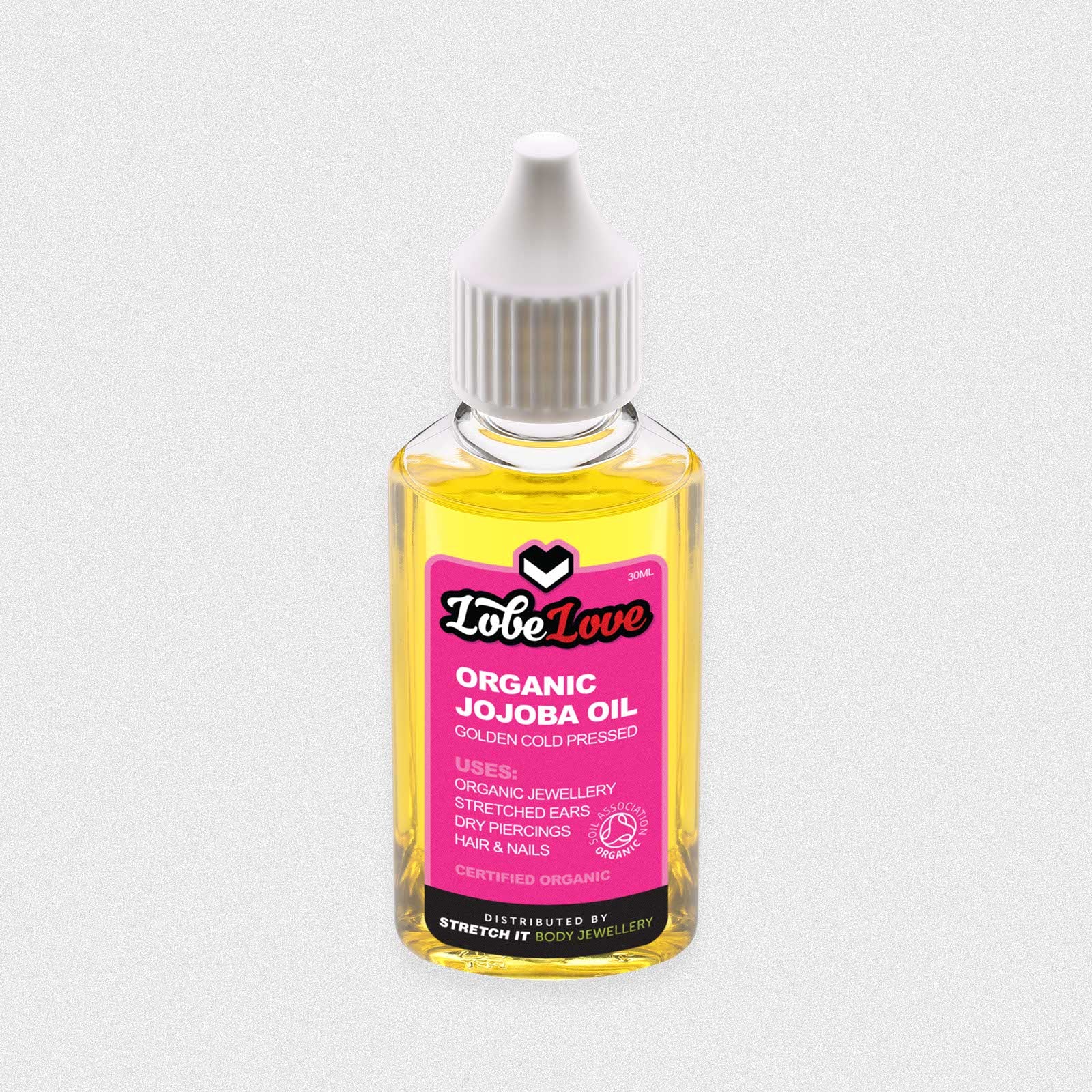
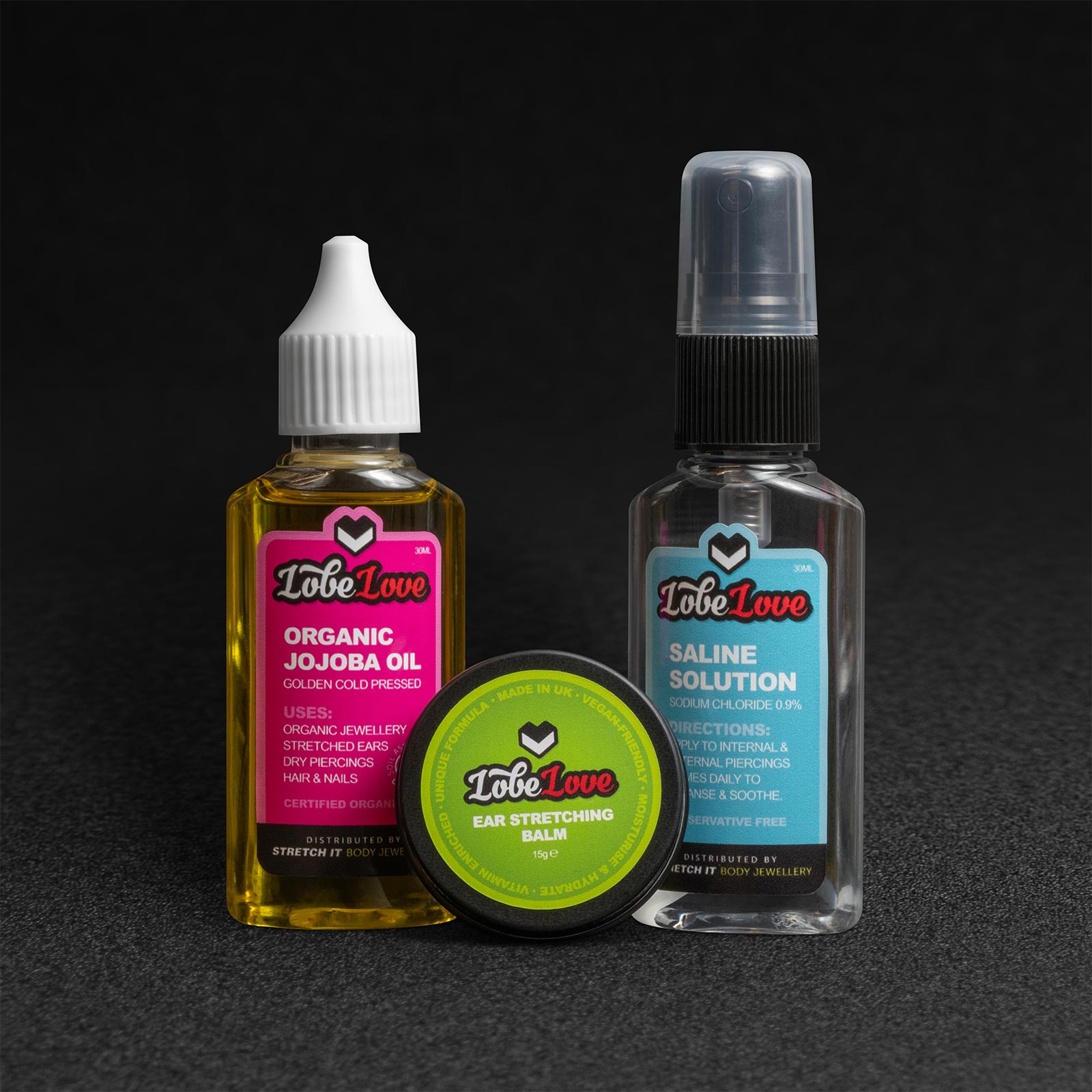
- In addition, many professional piercers stock and sell specific cleansers like LobeLove™ Professional Saline Piercing Spray or BPA Safe Solutions™ Piercing Aftercare. So, you can start looking after your fresh piercing safe in the knowledge you’re giving it your best shot.
- Check they’re reachable if your piercing looks infected or feels weird. Can you contact them? Or do you have to hope for the best?
How Do You Know If They’re a Trustworthy Certified Piercer?

There’s s lot of information here. But knowing what to look for is only half the battle. Now, it’s time to put all this knowledge to good use and sort the best piercers from the pretenders.
Here are our top tips for getting the best body piercer of your dreams and not some chancer:
Ask Questions
- What sterilisation method do you use?
- Do you have an autoclave? Do you use implant-grade jewellery for fresh piercings?
- Do you have certifications or training?
- How long have you been doing this kind of piercing?
Do Your Research
- Check their fresh and healed work on Instagram and their website.
- Read their reviews on Google and Facebook. But dig deep, because reviews don’t always tell the whole truth and nothing but the truth.
Visit the Studio First
- See how clean it is. Is everything tidy? Are sealed tools in view? Do you see biohazard containers and an autoclave?
- How do they treat you? Respectful? Informative? Shifty, like you’re being a nuisance?
Trust Your Gut
- Head for the door if something feels off, like they dodge your questions, or it looks cheap in a bad way.
- Consider the cost. Piercings aren’t cheap when done right by the best piercers. If someone's super cheap, they might be cutting corners with piercing hygiene standards or jewellery quality.
FAQs You’re Probably Googling Right Now

Here are some of the most-asked questions we see, and answers to bust the myths and dial down your worries.
Q. Does it hurt?
A. It varies dramatically, depending on location. But a needle piercing your skin or cartilage is no walk in the park. That said, the best piercers minimise the pain with their expert technique, sharp sterile needle, and steady hands. As a result, any pain is momentary and healing discomfort is more manageable.
Q. How long does a cartilage piercing take to heal?
A. Similarly, it varies a lot. Your anatomy, health, and aftercare for piercings all have a hand in healing time. Cartilage piercings typically take 6 - 12 months or more. But always plan for a longer healing time than you think. Then it’s a bonus if it takes less.
A. Don’t panic. But also don’t ignore it. Check in with your piercer or GP surgery. And keep cleaning it with a professional saline solution, keep it dry, and follow their advice. Or book an appointment with your doctor straight away if there’s pus, increased swelling, or fever.
Q. Are jewellery materials a big deal?
A. Yes. Consistent high-quality implant-grade jewellery with proper threadings = better healing and less irritation. Conversely, cheaper jewellery often skimps on finishing, polish, and overall quality. This might be ok when you’re healed, but not for fresh holes.
Q. What does good aftercare for piercings look like?
A. In a nutshell… Wash your hands before touching. Clean with professional saline. Don’t fiddle with or twist your jewellery. Avoid swimming in the early days. And keep your hair, styling products, hats and bedding away.
Good Piercings Start with Good Choices
Look, your body is your canvas. So, don’t settle for sloppy seconds if you want it to heal cleanly, look sick, and not give you months of grief.
For all these reasons, the best piercers are part artist, part scientist, mostly caring, and all about the details.
But we strongly recommend you keep coming back to these golden rules when you’re ready to get pierced:
- Safety
- Rigorous piercing hygiene standards
- Implant-grade jewellery quality
- Anatomy consultation
- Feel-good factor
At Stretch It Body Jewellery, we believe life’s too short for crooked angles, rough metals, or rejected piercings. And the best piercers are most likely to get you off to the best start.
Pop over to our website for everything you need about piercing processes, hygiene standards, trusted jewellery brands, and aftercare products. Go on, click over, your next piercing is waiting - impatiently.
Subscribe To Our Awesome Mailer
No spam. Just discounts, exclusive promotions and ear stretching tips & tricks you won't want to miss.
Our Best Selling Products
Our Favourite Products
Ear Stretching Inspo