








Stretch It Body Jewellery
SIBJ is one of the world's leading online specialist retailers and wholesalers in ear stretching kits, plugs, aftercare and body jewellery. We have over 10 years of experience in selling high-quality, unique ear stretching jewellery providing the knowledge, expertise and tools to stretch up confidently and safely.
"Not all plugs and tunnels are created equal. And some are way more high-maintenance than others."
Of course, you want to know how to clean plugs and tunnels for maximum ear stretching comfort and safety. You’ve put the time and effort into stretching up. So, why would you sabotage the hard work by shoving in grimy plugs?
This calls for going with your nose when it’s hit with a distinct aroma. This nasty but normal stench is commonly known in the community as “ear cheese” – an evil-smelling mashup of skin cells, oil, and bacteria. It’s nature’s way of reminding you it’s time to clean stretched ear jewellery.
Freshness aside, good ear stretching hygiene also helps prevent irritation, infections, and the disappointment of damaged jewellery. Different materials need different TLC. Or you might end up with dull, cracked plugs or cranky lobes if you don’t respect this.
But breathe easy. This guide’s got you covered with how to clean plugs and tunnels, when, and what with, including the lowdown on:
- How often to clean ear gauges
- What to use and avoid
- Material-by-material cleaning breakdown
- Real-life hacks for lazy days
- FAQ straight from the stretching trenches
Read on to discover how to clean plugs and tunnels effectively, plus the best aftercare for stretched ears.
Discussed In This Post
How Often to Clean Ear Gauges?
The short answer is more often than you think.
Conversely, the fuller answer depends on your lifestyle, lobe health, and jewellery material.
Either way, the baseline routine remains the same:
Daily
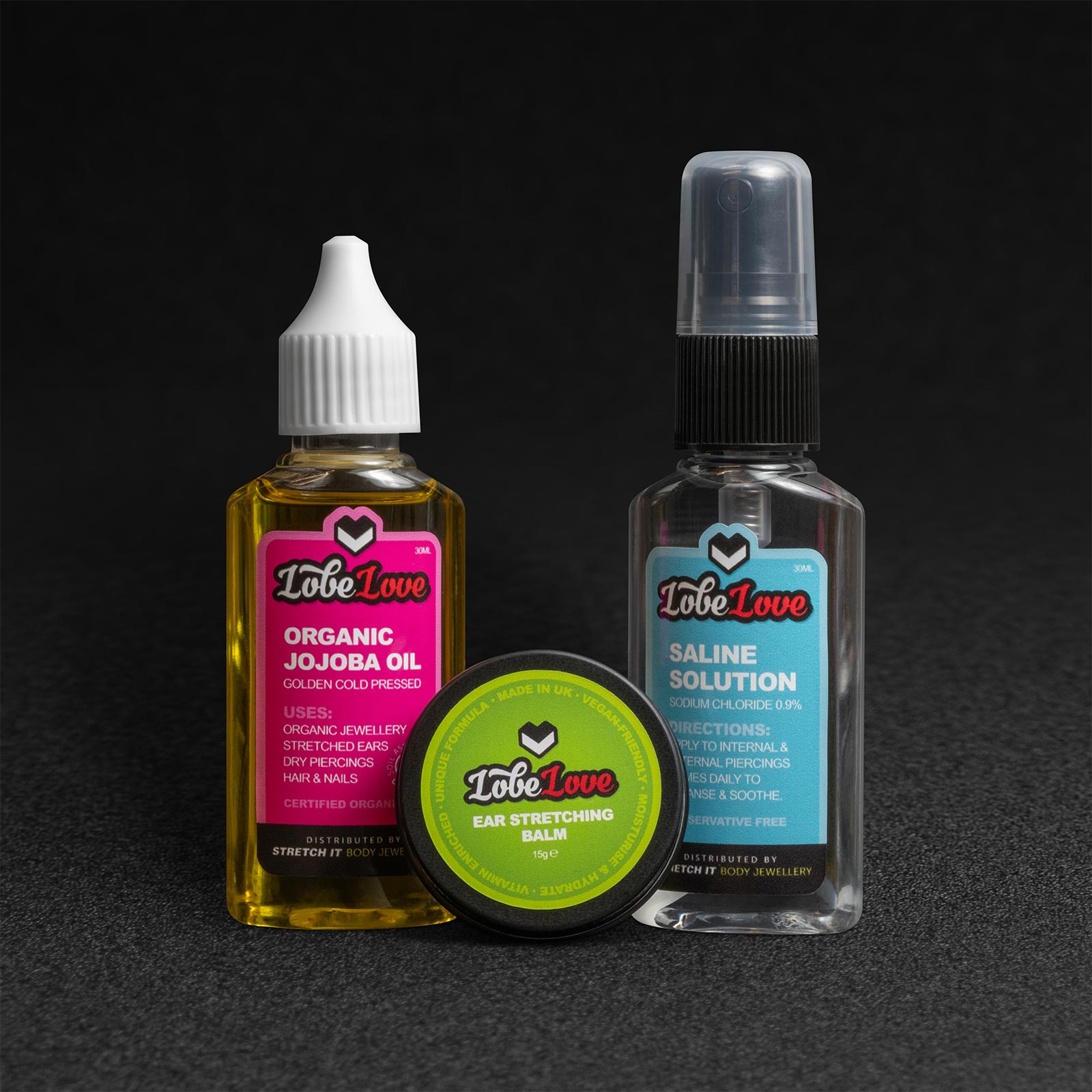
Quick wipe down with warm water or a mist of LobeLove™ Professional Saline Piercing Spray
Weekly
Deep clean both your jewellery and your lobes
Post-gym, heatwave, or illness
Step it up, because sweat and germs love a warm, sticky plug or tunnel
And always pay attention to any signs you’re overdue for a clean, like:
- That classic pong
- Visible gunk or residue
- Itching, redness, or mild irritation
- A dull look on normally shiny materials
What about how to clean plugs and tunnels when your stretch is still healing?
Keep your routine gentle and sterile. This means no swapping jewellery just yet. No scrubbing. And definitely no dousing fresh stretches in random mystery liquids.
How to Clean Plugs and Tunnels on a Material-by-Material Basis
Not all plugs and tunnels are created equal. And some are way more high-maintenance than others.
The next section of the guide runs through the dos and don’ts of the most popular and widely available jewellery materials.
Cleaning Titanium Tunnels and Surgical Steel Plugs

Meet the easy-wear, easy-care headliners of the pack.
There’s no drama involved when cleaning titanium tunnels and steel plugs. This is because both superior ear stretching metals are non-porous and built to last.
In addition, titanium is completely hypoallergenic if your skin’s on the squeamish side. But it still deserves regular TLC.
How to clean ear tunnels and plugs made of surgical steel or titanium:
- Swish up a mild mild, fragrance-free soap with warm (not hot) water
- Use a soft cloth or your fingertips to gently wash
- Rinse well and pat dry with a clean towel
- Use a jewellery polishing cloth for extra shine (optional)
And avoid the following like the plague:
- Harsh cleaners or bleach, which can strip the finish of your jewellery
- Abrasive scrubbing pads
Pro tip
Need to clean stretched ear jewellery with threads or intricate shapes? Use a soft toothbrush to reach any nooks and knobbly bits.
Keep It Zen for Glass, Quartz and Stone

These smooth, glossy pieces are stunning in healed ears. But they don’t like extremes and need careful handling.
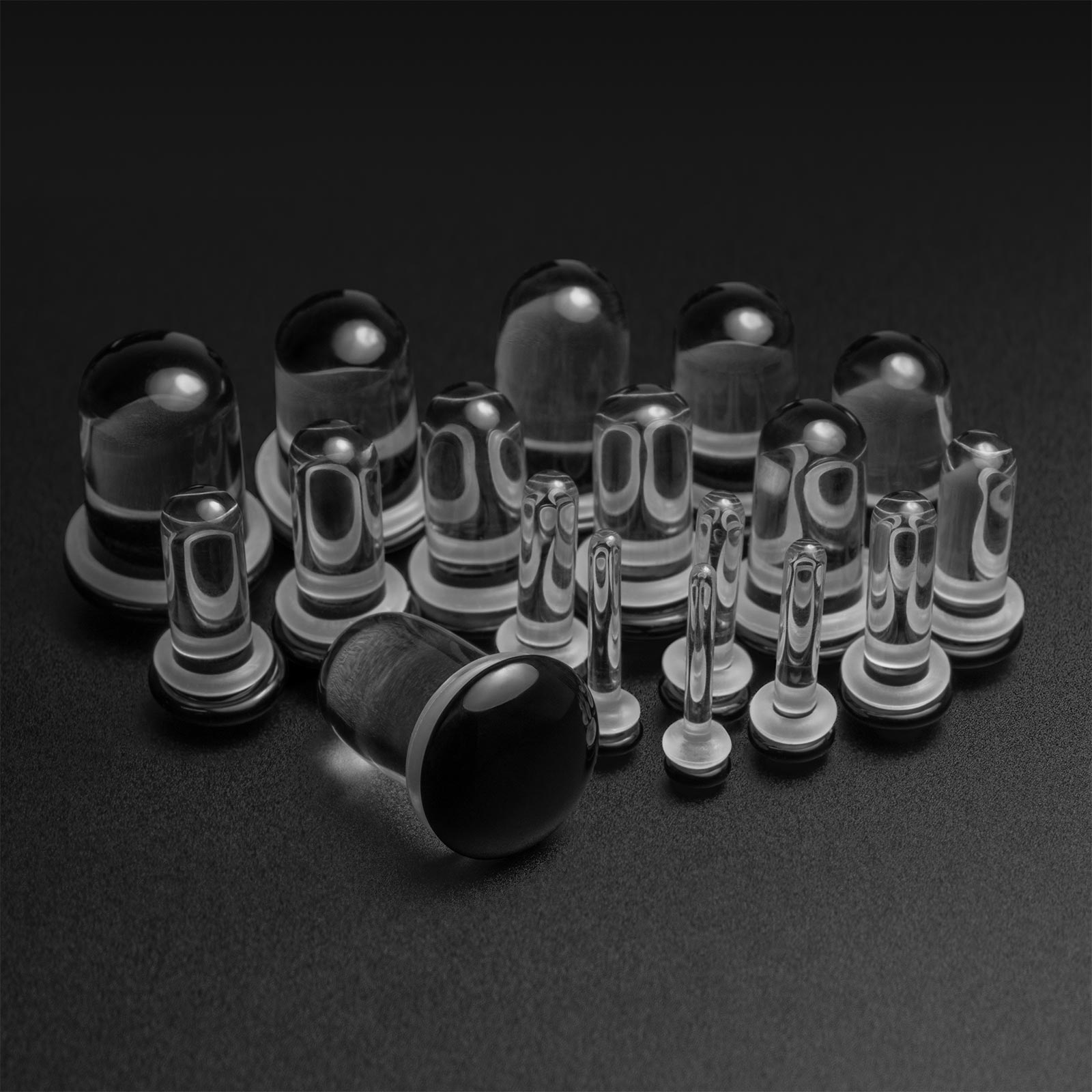
How to clean plugs and tunnels made from glass, quartz and stone:
- Wash gently with mild soap and lukewarm water
- Rinse thoroughly, bearing in mind that any unchecked soap residue can irritate your lobes
- Pat dry rather than leaving them to air dry, because water spots can form
Be careful not to expose these materials to sudden temperature changes, like boiling hot water or a freezing plunge.
And if you’ve got patterned quartz or stone jewellery? Wipe them with a damp cloth instead of soaking them, to protect natural veins and textures.
Gently Clean Silicone Plugs and Tunnels

Silicone jewellery is flexible, lightweight, and ideal for chill days or sleeping. But it’s also porous. This means bacteria and oils can build up fast if you’re not careful.
For this reason, there’s a distinct MO when you need to clean silicone plugs and tunnels:
- Remove and wash with mild soap and warm water
- Rinse thoroughly, ensuring you don’t leave behind any slippery residue
- Inspect for cracks, tackiness, or discolouration
- Let them air dry completely before reinserting
And what to avoid for trouble-free clean silicone plugs and tunnels:
- Alcohol or hydrogen peroxide, which can dry and damage silicone
- Boiling water, which warps silicone jewellery
Finally, remember that silicone ear stretching jewellery has an unspoken sell-by date. So, chuck them when they start feeling sticky or faded. Clinging is futile. New silicone plugs and tunnels are cheaper than a trip back to your piercer because you’ve got issues.
How to Clean Ear Tunnels and Plugs Made of Acrylic

Acrylic tunnels and plugs are fun and affordable, but not built for forever, like their silicone siblings. This is because the material scratches easily, creating sneaky openings for bacteria.
Even so, it’s relatively simple and speedy to clean stretched ear jewellery in acrylic materials.
How to clean plugs and tunnels made from acrylics:
- Rinse with lukewarm water and mild soap, not hot water, which can warp acrylic jewellery
- Use your fingertips or a soft cloth, no scratchy brushes, which are open season for bacteria to infiltrate
- Rinse and fully pat dry
And the no-nos?
- Alcohol, acetone, or disinfectants, which melt or cloud acrylic jewellery
- Long soaks, which cause moisture absorption
Think of acrylic and silicone plugs and tunnels like the fast food of your jewellery collection - enjoyable, but not something you want every day. For this reason, replace them regularly when they start to look and feel shabby.
Clean Wood Plugs and Tunnels, Plus Other Organic Materials

Love an earthy vibe? Then you already know organic plugs and tunnels, like wood, bamboo, bone and horn are alive, kind of.
They breathe, absorb oil, and age well. But they need special care when it’s time to clean wood plugs, tunnels and jewellery made from other organic materials:
- Wipe with a soft, dry cloth to remove surface oils
- Dry immediately
- Apply a drop of LobeLove™ Organic Golden Jojoba Oil to condition
And the what not to do’s?
- Don’t clean wood plugs or other organic jewellery in water or saline, which causes swelling, cracking, or warping
- Don’t use alcohol, detergents, or bleach
A note on regular oiling of organic stretched ear jewellery - It keeps the grain smooth, prevents splitting, and makes your plugs look richer.
Take Good Care When Cleaning Gold Plugs and Tunnels
Gold plugs and tunnels are show stoppers. But their expense and radiance belie their surprising sensitivity.
The good news is you don’t need to deep clean very often, but you do need to be careful.
How to clean plugs and tunnels made of gold:
- Froth up a mild soap in warm water
- Use a soft brush or cloth to gently clean
- Rinse and pat dry with a microfibre cloth
But be mindful to avoid harsh polishing dips, which can weaken precious gold.
What’s the Difference Between a Quick Clean and a Deep Clean?

Fast and furious? Or slow and solid? The difference between quick cleaning and deep cleaning covers the process and also how often to clean ear gauges:
Quick clean - daily:
- Remove your plugs, rinse under warm water, and wipe ideally with LobeLove™ Professional Saline Piercing Spray, or a mild soap.
- Gently spritz your lobes with your saline spray or wipe with a clean cloth
Deep Clean - weekly:
- Fully wash and rinse when deep cleaning titanium tunnels and other non-porous jewellery in steel, glass, or stone
- Stick to surface wipes when you clean silicone plugs and other porous materials. And oil when you clean wood plugs.
- Make sure everything’s completely dry before reinsertion
Clean Stretched Ear Jewellery While You’re Wearing It
Suppose you’re mid-shift at work, mid-festival, or mid-flight, and your lobes start feeling scuzzy. Fear not! You just need to prep for quick swills on the go.
How to clean plugs and tunnels while getting on with your everyday life, until you can do it properly:
- LobeLove™ Professional Saline Piercing Spray – A speedy spritz gives your lobes a quick refresh between showers
- Wipe fronts and backs with a soft cloth
- Rotate your jewellery gently to stop buildup
- Carry a DIY travel kit with your saline spray, a microfibre cloth, and spare O-rings
And for sweating it out at the gym? Pop your plugs out if your stretch is healed, clean your lobes, and reinsert fresh jewellery after your workout.
Recommended Products
You don’t need a 20-step regimen for your ears. Just a few hero products and boom! The best aftercare for stretched ears and your jewellery, sorted:
LobeLove™ Professional Saline Piercing Spray
A no-fuss way to flush out sweat, oil and everyday grime. This pocket-sized, preservative-free mist keeps stretches clean, calm and happy wherever you are
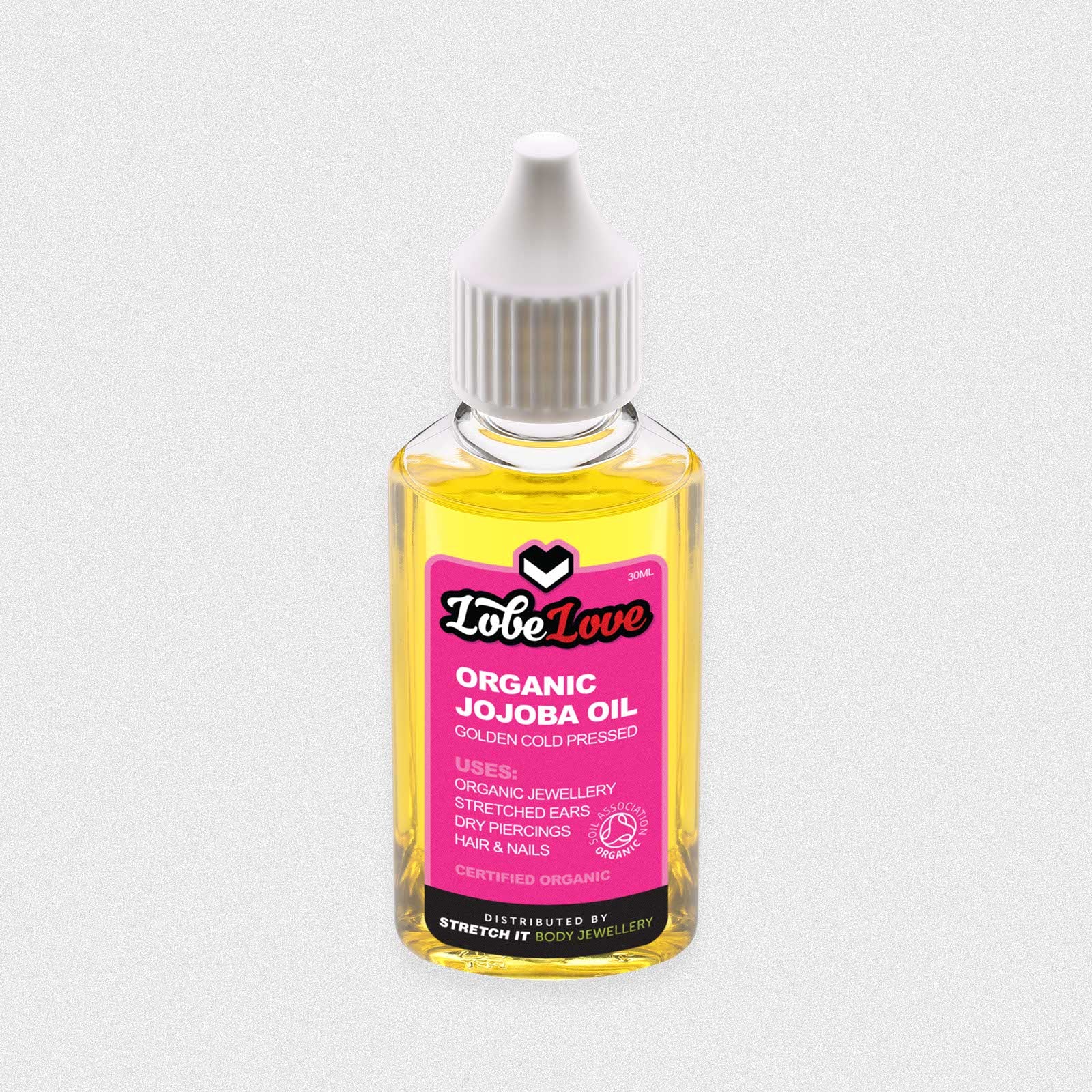
LobeLove™ Organic Golden Jojoba Oil
Keep your lobes soft, hydrated and crack-free with pure, organic jojoba oil. It’s second to none for conditioning stretched ears, and also for oiling when you clean wood plugs and other organic jewellery
Microfibre cloths
Non-abrasive cleaning for all materials
Jewellery case or pouch
Keeps your collection clean and organised
Find these and more in the Stretching Aftercare section of our site.
FAQs About How to Clean Ear Plugs and Tunnels
Q. Can I clean silicone plugs with boiling water to sterilise them?
A. Absolutely not. Silicone hates heat. It’ll warp, melt, and lose shape. Stick to warm soapy water and replace them when they start looking knackered.
Q. How do I get rid of the ear cheese smell
A. Clean stretched ear jewellery and your lobes daily, especially after sweating. Use LobeLove™ Professional Saline Piercing Spray or a gentle soap, never perfume or alcohol. Also, take your plugs out at night occasionally to let your lobes breathe.
Q. Is it ever OK to use alcohol?
A. Only on metal or glass plugs. But keep it miles away from anything porous like wood, silicone, or acrylic.
Q. I’m a gym bunny. How often to clean ear gauges?
A. Clean them after every session, just like taking a shower. Sweat and bacteria cook up the perfect storm for irritation. This is why a post-workout saline spritz or wipe keeps things both fresh and germ-free
Q. Can I sleep in my plugs every night?
A. For sure, if they’re silicone or metal, and your lobes are healed. But give them a break a couple of nights a week to improve circulation and prevent buildup.
Keep It Clean and Cool
At the end of the day, clean jewellery makes for happy lobes. So, when you’re taking a few minutes each day to clean your plugs and tunnels, you’re helping to:
- Extend their life
- Protect your skin
- Keep your stretching journey on track
And one thing’s for certain, whether you’re a total noob or a stretched-to-the-max veteran. Googling “how to clean plugs” separates the pros from the amoebas frantically looking up “how to heal an infected stretch.”
Visit Stretch It Body Jewellery for the best aftercare for stretched ears and insider tips. It’s the place to be for everything your lobes could possibly need, from joining the ear stretching community to levelling up your collection.
Subscribe To Our Awesome Mailer
No spam. Just discounts, exclusive promotions and ear stretching tips & tricks you won't want to miss.
Our Best Selling Products
Our Favourite Products
Ear Stretching Inspo