




Dermal Piercing: Your Single Point Survival Guide
In this post Jump to a section
The dermal piercing refuses to play by the rules of in on one side and out on the other. It took one look at the whole entry and exit thing and said “Nah, we’re good.”
Quick answer
- A dermal piercing is a single-point piercing: a small anchor sits under your skin and a decorative top screws onto it, with one opening and no exit hole.
- Our pain meter puts dermals at 8/10, but it’s over mercifully fast. A single dermal usually costs £35 to £70 in the UK.
- A full heal usually takes 6 to 9 months, even if it looks settled after a month or so. Don’t swap your top until it’s fully healed.
- Choose implant-grade ASTM F136 titanium, clean twice a day with sterile saline and never remove a dermal yourself. Your piercer is the person for that job.
In a nutshell, a dermal piercing, or microdermal piercing as it’s also known, is a single-point body mod.
A tiny metal dermal anchor gets tucked under your skin. Then, a decorative top screws onto a little post that peeks out at the surface.
The result? A gem, spike or disc looks like it’s floating on your skin as if by magic. When in reality, ASTM F136 titanium and an abnormally steady pair of hands are responsible for this mini metal masterpiece.
A chest, back of the neck and cheek dermal piercing all look outrageously cool. But it’s also one of the highest maintenance mods, with a reputation for dermal piercing rejection or migration if you don’t treat it right.
So, grab a brew for a candid lowdown on:
- How dermals work
- Where they go
- What they cost
- How to heal them
- How to change a dermal top
- What happens when it’s time to say goodbye
Shop LobeLove™ piercing aftercare →
What’s Going On Under Your Skin?

A dermal piercing comprises two parts working as a tag team:
- Dermal anchor - A teeny base plate, usually around 6-7mm long, goes into the dermis (the middle layer of your skin). Most anchors have little holes punched through them. Your tissue grows through those holes and hugs the anchor into place.
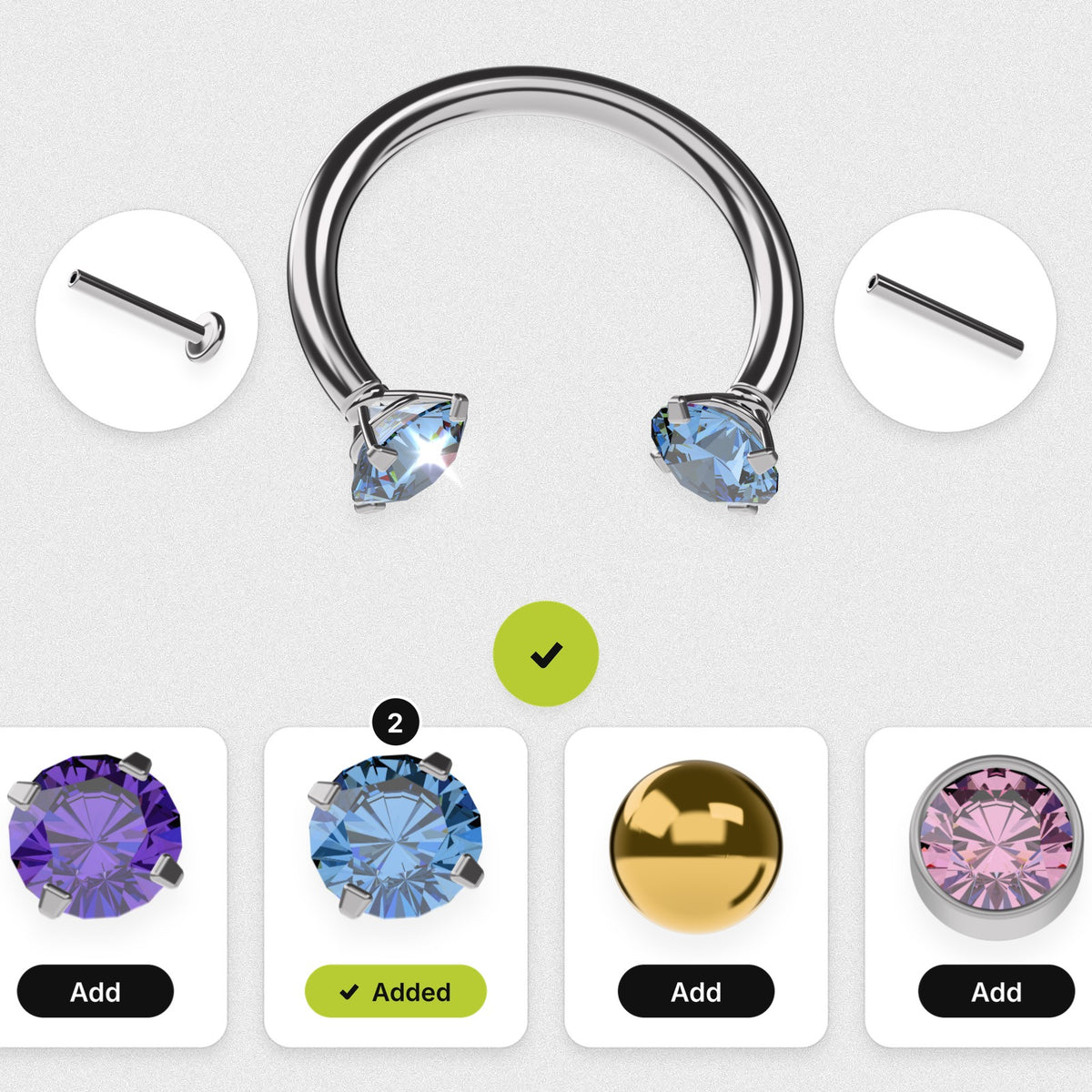
- Dermal top - This is the sparkly bit everybody sees. It screws onto a threaded post sticking up just above the skin. This means you can swap your look without swapping the whole piercing.
The single opening is the whole point. There’s no tunnel through your flesh. It’s one single small entry, with the anchor snug beneath.
Want to go deeper on the hardware itself? Our guide to dermal anchors covers everything you need to know.
Where Can You Put a Dermal Piercing?

You can have a dermal piercing pretty much anywhere that’s flat and has a decent bit of padding under the skin.
The key factor is this: the dermal anchor needs enough tissue to bed down in. For this reason, skinny, bony or super bendy areas are a tougher sell.
Top crowd pleasers include:
- Cheek dermal piercing
- Décolletage, collarbones, and upper chest dermal piercing
- Nape of the neck
- Lower back
- Hips, abdomen and thighs
Conversely, fingers, wrists and high friction spots on the face are a risky business, with a greater chance of dermal piercing migration or rejection, due to bending, knocking and rubbing. It’s not a hard no from everybody, but something to be especially mindful of.
Know Your Hardware
The jewellery you end up with depends on how your piercer does the job, which will result in one or more of the following:
- Anchors - A classic choice you can customise later, with a rounded base or feet on either side of the post.
- Tops - The fun part. You can change your top to metal studs, gems, discs or spikes once it’s settled.
- Divers - These have a pointy base with the decorative top already fixed on. They go in with a dermal punch and can’t be swapped.
In terms of jewellery material, bear in mind a dermal piercing lives inside you. So, it’s not worth saving a fiver on cheap tat.
Instead, opt for:
- Implant grade ASTM F136 titanium - It’s lightweight, biocompatible and the least likely to kick off a reaction, especially if your skin is sensitive.
- Solid gold - Stick with 14ct during dermal piercing healing time.
On the other hand, gold-plated or steel are hard passes. This is because plating wears off and cheap alloys irritate. You don’t want to invite allergies and infections.
How It Goes Down in the Chair
Your piercer will use either a needle or a dermal punch. Both get the anchor to the same place via slightly different routes:
The needle route
- The area is thoroughly cleaned until it’s sterile.
- Your piercer marks the spot with a skin pen.
- The needle goes in and out, leaving a small pocket under the skin.
- Your piercer uses forceps to slide the dermal anchor base into the pocket until it’s fully beneath the surface.
- The top is screwed on and, boom, you’re officially anchored up.
The punch route
Same drill, except a dermal punch removes a tiny core of tissue to make the pocket, instead of a needle pushing it aside.
Is Dermal Piercing Pain Bad?
A bit, yeah. Our pain meter puts dermals at 8/10, but it’s over mercifully fast.
The pain level depends on the following factors:
- Placement - Fleshier spots tend to be kinder.
- Method - Punches are often the gentler option.
- Your pain threshold - Some people barely flinch, whereas some people scream blue murder.
- Your piercer - An experienced piercing pro is quicker and cleaner = less ouch.
What’s the Average Dermal Piercing Cost in the UK?
Prices swing a fair bit across the country, depending on the studio, city and the jewellery you pick. But typical price bands are:
- Single dermal piercing - £35.00 - £70.00
- Multiple dermals - £60.00 - £90.00
- Divers - £35.00 - £60.00
Some places include jewellery in their costs, whereas others charge for jewellery separately. So, ask for a full cost breakdown.
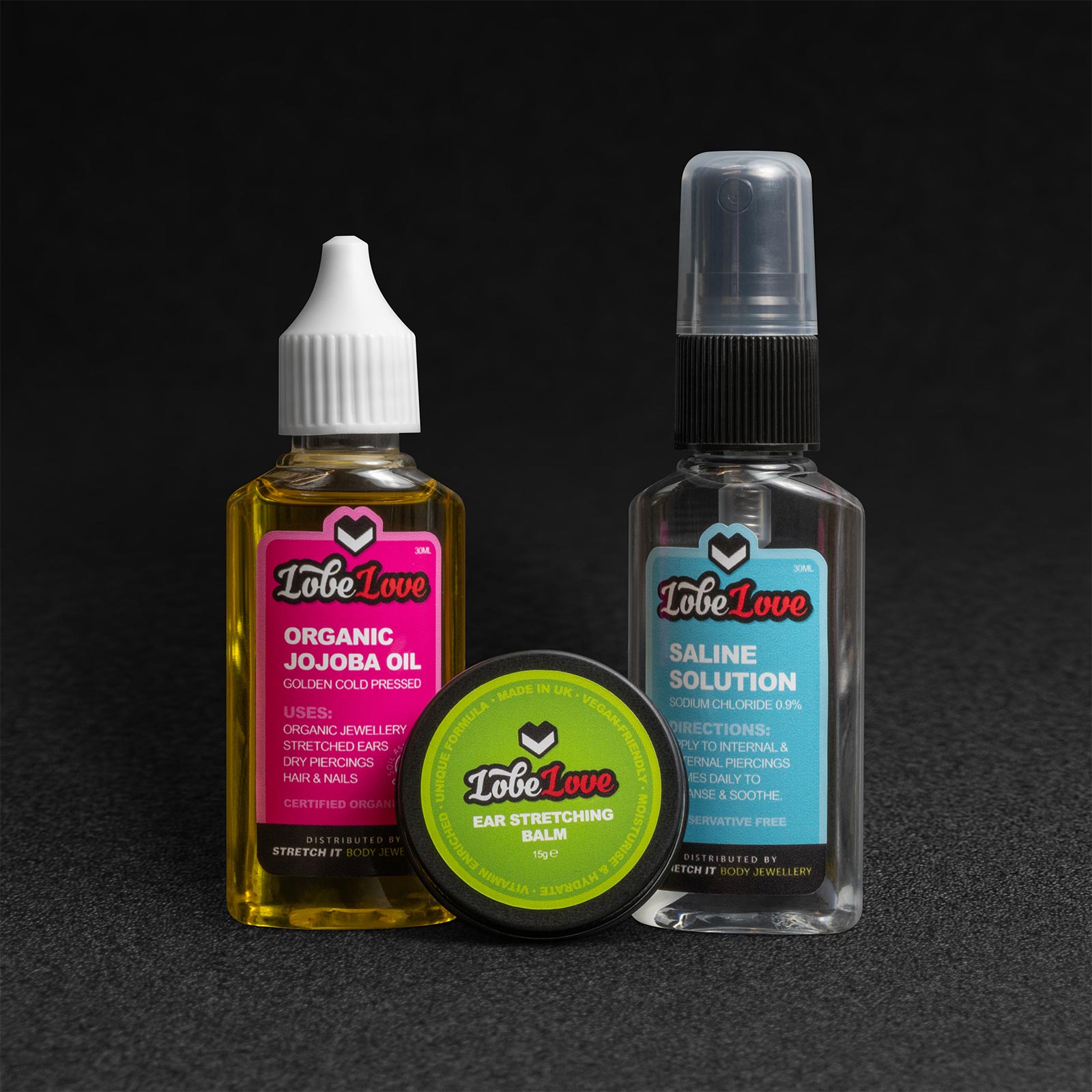
It’s also worth checking what aftercare you’ll need, like LobeLove™ Professional Saline Piercing Spray or BPA Safe Solutions™ Piercing Aftercare.
Why Dermal Piercing Healing Time is a Long Game

Have a little patience.
The thing is, your dermal piercing might look settled on the surface after a month or so. But underneath, the tissue is still knitting itself around the dermal anchor. For this reason, a full heal usually takes 6 to 9 months.
Expect some crusting and swelling for the first couple of weeks. It’s totally normal and should calm down as things progress.
And whatever you do, don’t skimp on dermal piercing aftercare, or you’ll be healing for longer than you’d bargained for.
Dermal Piercing Aftercare Do’s and Don’ts

There’s no denying dermals are needy. But they’ll repay you with years of sparkle if you give them the TLC they deserve.
Do:
- Keep it covered with a dressing for the first few days.
- Wash your hands before going anywhere near it.
- Clean it twice a day with a sterile saline solution. Our LobeLove™ Professional Saline Piercing Spray is highly recommended for this.
- Use a fresh paper towel every time, not a family towel, which can snag.
- Gently soften and lift away any crust when cleaning.
- Try to keep it dry in the shower.
- Pat it dry afterwards. No rubbing.
Don’t:
- Wear tight clothes over it.
- Let your hair tangle round it.
- Play contact sports or anything bash-prone.
- Dunk it in baths, swimming pools, hot tubs, rivers or the sea.
- Clean it with harsh antiseptics or soaps.
- Pick at crusts.
- Twist, fiddle, play with or remove the jewellery.
- Swap your top until it’s fully healed.
The Not So Glam Risks
Dermals are dope and highly adaptable. But they come with a higher complication rate than your average hole. For example:
- Infection - Slack aftercare can let bacteria into the dermis.
- Dermal piercing migration - It can shift about and end up somewhere it shouldn’t be if the dermal anchor isn’t deep-seated enough.
- Dermal piercing rejection - Your body decides the dermal anchor’s an intruder and slowly shoves it out towards the surface.
- Tissue damage - Nearby nerves or blood vessels can take a hit if it goes too deep.
- Hypergranulation - These are the angry red bumps around the top. They’re typically triggered by irritation caused by too tight jewellery, make-up, tight fabric, constant fiddling or dodgy cleaning.
- Scarring - Expect a small dermal piercing scar when the hole closes up after rejection or retirement.
Signs of Dermal Piercing Infection
Some crust and puffiness are just your body doing its thing. But the following aren’t:
- Severe pain or swelling
- Heat
- Yellow or green pus
- A nasty smell
- A rash around the site
In addition, keep a close eye out for signs of dermal piercing rejection, such as:
- Jewellery shifting from where it started
- The top drooping or hanging instead of sitting flat
- The skin around the top looking thin or calloused
- The dermal anchor coming out entirely
How Long Do Dermal Piercings Last?
There’s no fixed expiry date. But a dermal piercing isn’t forever.
The reason for this is your skin naturally renews, nudging the dermal anchor upwards over time, until it eventually pops free.
It could be a few months or many years. Dermal piercing aftercare, placement and your own unique biology all play their part.
Swap Your Top with Ease
It’s the moment you’ve been waiting for. You’re fully healed, and your piercer’s given you the thumbs up. Time to play dress up.
Our honest advice is to let your piercer do the first swap, because you could dislodge the anchor with one wrong move.
Or follow these steps if you must go solo:
- Wash your hands.
- Clean the area with saline solution.
- Pat dry.
- Unscrew the current top anti-clockwise.
- Screw a new top on clockwise.
- Clean and pat dry again.
Won’t budge? Stop and go back to your piercer to loosen it with forceps.
How to Retire Your Dermal
You should never yank, squeeze or dig out a dermal piercing yourself.
Your piercer will clean the area, take the top off and gently massage the surrounding skin to loosen the dermal anchor’s grip.
It might need a tiny incision if it’s deeply embedded to free it and clear away any scar tissue. This can mean a referral to a medical professional to remove the dermal anchor with forceps and apply a couple of stitches.
Dermal FAQs You Need to Know About
Can I remove a dermal piercing myself if I’ve had enough of it?
Nope, because the dermal anchor’s embedded in your skin. Your piercer is the person for this job. Trying to force it out at home risks tearing, infection and a worse dermal piercing scar than the naturally occurring scar you’ll be left with after removal.
When can I change my dermal top?
Not until it’s fully healed. Surface healing takes anywhere between a month and three months, but the dermal anchor’s still settling for months after this. Don’t risk knocking it loose by swapping too soon.
Is a dermal the same as a surface piercing?
No. A surface piercing has two holes and a staple-shaped bar running under the skin. A dermal piercing has just one hole, with an anchor sitting underneath and a top screwed onto it.
What’s the best metal for a dermal?
Implant-grade ASTM F136 titanium is the top pick, especially for sensitive skin. 14ct gold is a solid alternative. But steer clear of plated or low-grade metals.
What are the red bumps next to my dermal?
It’s quite possibly hypergranulation, which is an overreaction to irritation caused by tight clothing, make-up, fiddling or harsh cleaning products. Cut out the culprit, stick to a professional saline solution and check in with your piercer. You might need to get it looked at for infection if it’s hot, smelly or oozing coloured pus.
Drop Anchor and Shine On
- One hole
- Endless top options
- A rebellious look nobody else can quite pull off
The dermal piercing is a rule-breaker, and that’s why we love it. But it demands more commitment than your average piercing. This is why it’s so vital to tread carefully:
- Pick your spot wisely
- Find a piercer who knows their stuff
- Choose body-safe ASTM F136 titanium jewellery
- Treat your dermal piercing aftercare as non-negotiable
And head over to Stretch It Body Jewellery for everything you need to know about processes and products, from implant-grade ASTM F136 titanium jewellery to LobeLove™ aftercare essentials. There’s always something fresh to discover, whether you’re new to the body mod crew or a long-standing member.
Heads up: Healing times and suitability vary from person to person. Always chat with an experienced, reputable piercer about your anatomy before you book.
Featured in this post
Shop this post


Ready to shop?
LobeLove
5 styles. Implant-grade titanium, steel and gold. Free UK delivery over £30, 7,000+ five-star reviews.
Shop lobeloveKeep reading
More from the blog

Shop the range
LobeLove
5 styles. Implant-grade titanium, steel and gold. Free UK delivery over £30, 7,000+ five-star reviews.
Shop now