





How Long Does a Belly Button Piercing Take to Heal? Timeline and Aftercare
In this post Jump to a section
Looking healed is not the same as being healed.
So, how long does a belly button piercing take to heal? A full heal typically takes 6 to 12 months. Yes, months, not weeks. It can look and feel fine much sooner, which is exactly where people get caught out.
Your navel moves with every bend, twist and waistband, so it is a long game. The good news is that most of the work is simple, steady aftercare and keeping your hands off it.
Here is the stage-by-stage timeline, what is normal, what is not, and when you can finally swap the jewellery.
Quick answer
- A belly button piercing typically takes 6 to 12 months to fully heal. Healing varies from person to person.
- It can look settled well before that. Looking healed is not the same as being healed.
- There are no shortcuts, but you can avoid setbacks with gentle saline cleaning, loose clothing and no fiddling.
- Keep the piercer's jewellery in until your piercer says it is ready to change.
How long does a belly button piercing take to heal?
The full-heal figure is 6 to 12 months. If you have seen people say "it was fine after a few weeks", that is the surface talking. Underneath, the new channel of skin (the fistula, if you like fancy words) is still maturing.
Why so long when it only scores 2/10 on our piercing pain meter? Because pain and healing are different things. Ear lobes take 6 to 8 weeks, but your tummy is constantly flexing, rubbing on clothes and getting squashed by waistbands.
So whether you are asking how long for belly button piercing to heal or just wondering when you can stop babying it, plan for the long end. Always get it done by a professional piercer with a needle, never a gun, and choose implant grade titanium for a new piercing. Our belly bars guide covers styles and metals in more detail.

Belly button piercing healing timeline: stage by stage
Every body is different, so treat these stages as a rough map rather than a stopwatch. The only fixed number is the 6 to 12 month finish line.
| Stage | What it usually feels like |
|---|---|
| First couple of weeks | Tender, a bit swollen, some redness. A little spotting early on is common. |
| First few months | Calming down. Crusties come and go, and you may get good days and grumpy days. |
| Later months | Looks and feels normal. The inside is still maturing, so it can still get cross if knocked. |
| 6 to 12 months | The finish line. Fully healed, and your piercer can confirm it is ready for a jewellery change. |
That middle stretch is where people relax too early, then get irritated when the piercing sulks. Irritation bumps can pop up mid-heal, especially if it gets snagged or squashed. Our piercing bump vs keloid guide explains what is what.
Think of belly button piercing heal time as a marathon. Looking healed at the halfway mark is lovely, but it is not the finish.
What should a 2 week old belly button piercing look like? (And is bleeding normal?)
At around 2 weeks, mild redness, swelling and tenderness are normal. So is a bit of clear or pale crust around the jewellery. It should not look angry or feel increasingly sore.
Is it normal to bleed after getting a belly button piercing? Light bleeding or spotting just after piercing can be normal. A little may come back if the area gets knocked early on.
Not normal: heavy or ongoing bleeding, hot or spreading redness, thick coloured discharge, or a smell. If you notice any of those, speak to your piercer, and see a GP or pharmacist if you are worried.
How to heal a belly button piercing (and avoid slowing it down)
Can a belly button piercing heal fast? Honestly, no. There are no shortcuts. But if you want to know how to heal your belly button piercing faster, the answer is to avoid the things that cause setbacks.
- Wash your hands before you touch anything near it.
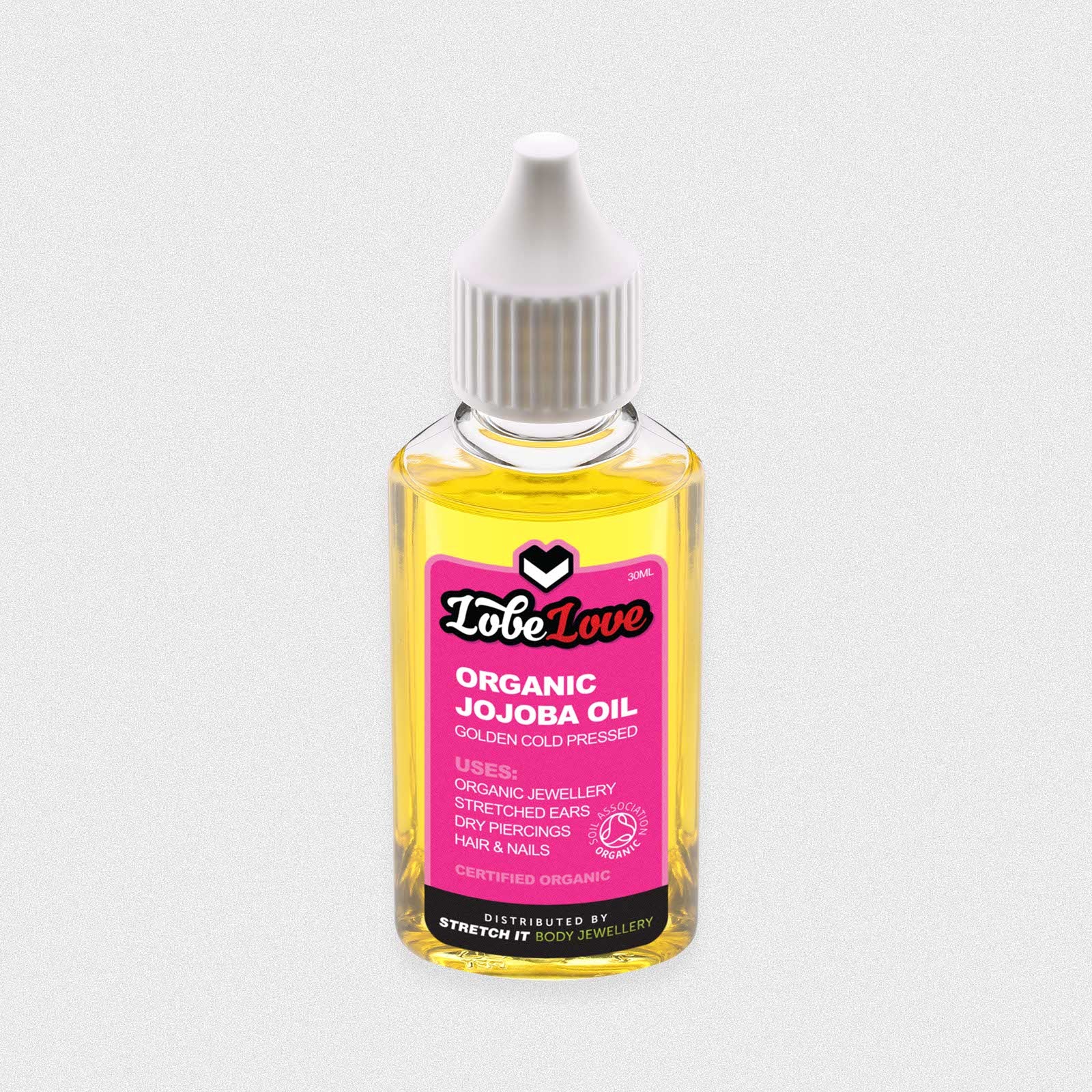
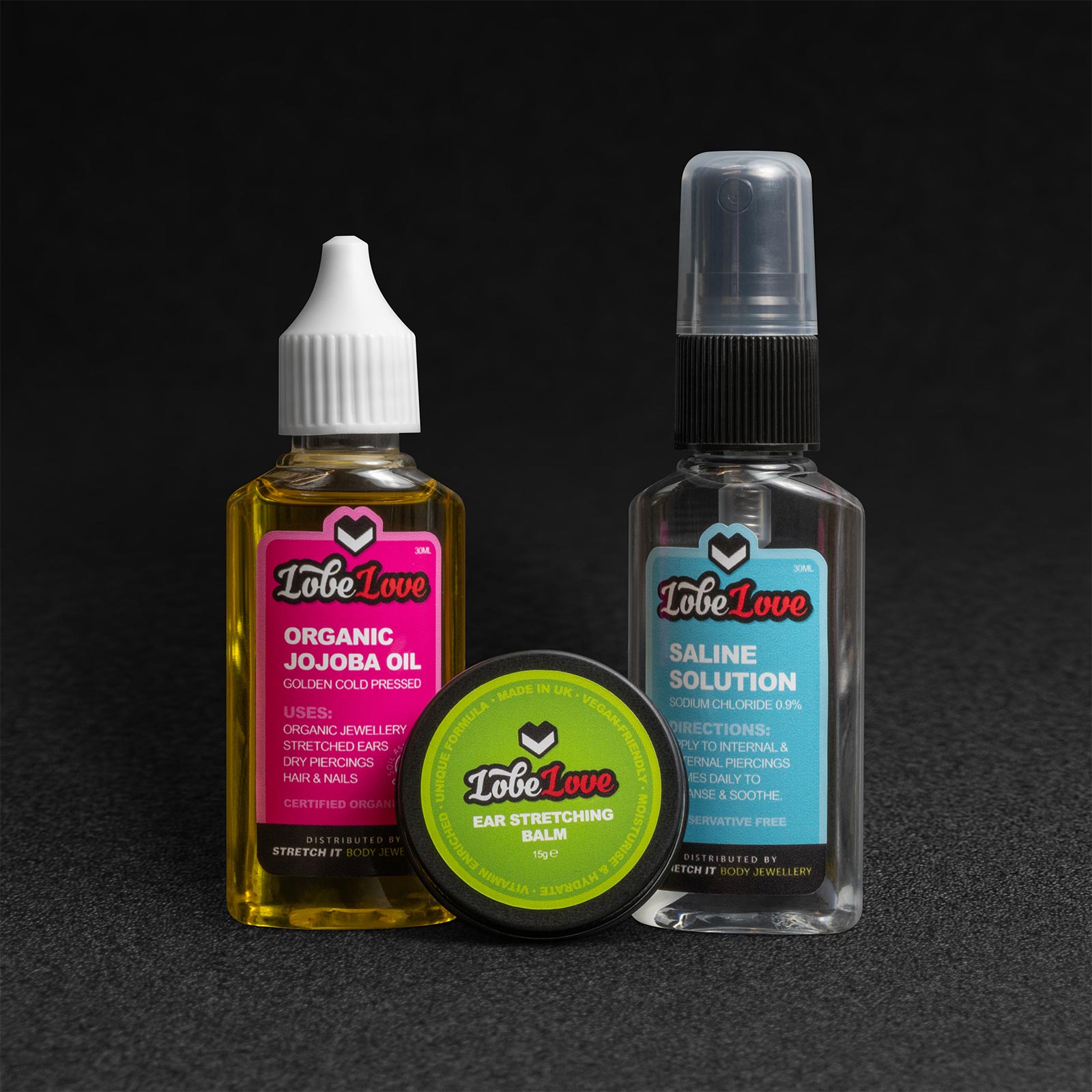
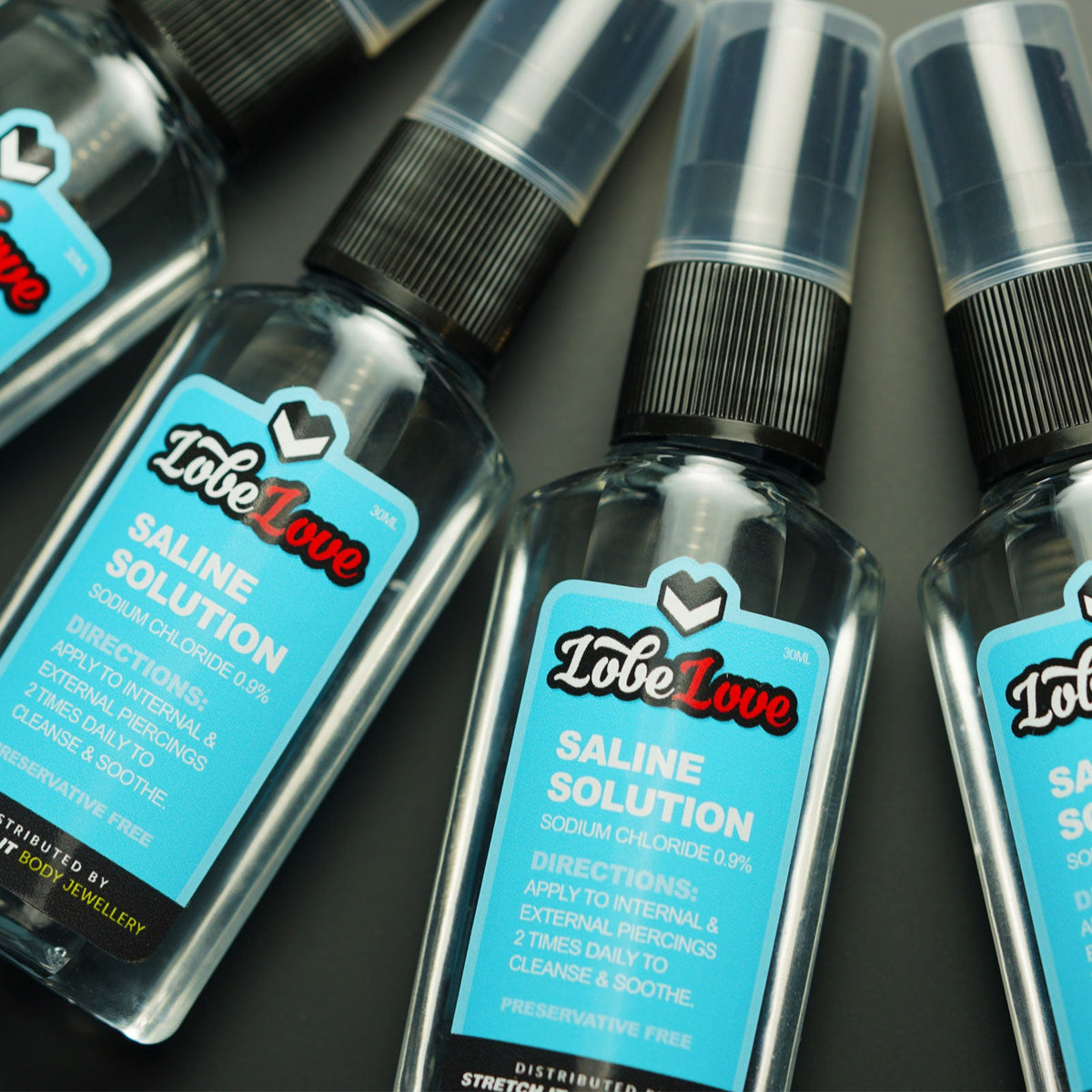
- Clean gently with LobeLove Professional Saline Piercing Spray. It is safe inside and out, so it suits all your piercings.
- Leave the jewellery alone. No twisting, turning or fiddling.
- Wear loose, breathable clothing. Keep tight waistbands, belts and bag straps off it.
- Be careful with sleeping, sport and swimming. Avoid pressure on the piercing, and follow your piercer's advice on each.
If you like a simple all-in-one routine, BPA Safe Solutions Piercing Aftercare is another handy option.

Signs of an infected belly button piercing and what to do
Irritation is usually mild: some redness, tenderness or a crusty bit that settles when you stop whatever is annoying it. Infection is different. Watch for heat, pain that keeps getting worse, spreading redness, thick yellow or green discharge, or a fever.
Do not guess, and do not self-treat with harsh products. Keep it clean with saline, then contact your piercer and see a GP or pharmacist. Check with them before removing any jewellery.
Worried it is moving or being pushed out? Our piercing rejection and migration post will help.
When can you change your belly button jewellery?
Only when your piercer says it is ready, and ideally after the full 6 to 12 months. Changing too early is one of the easiest ways to set your healing back.

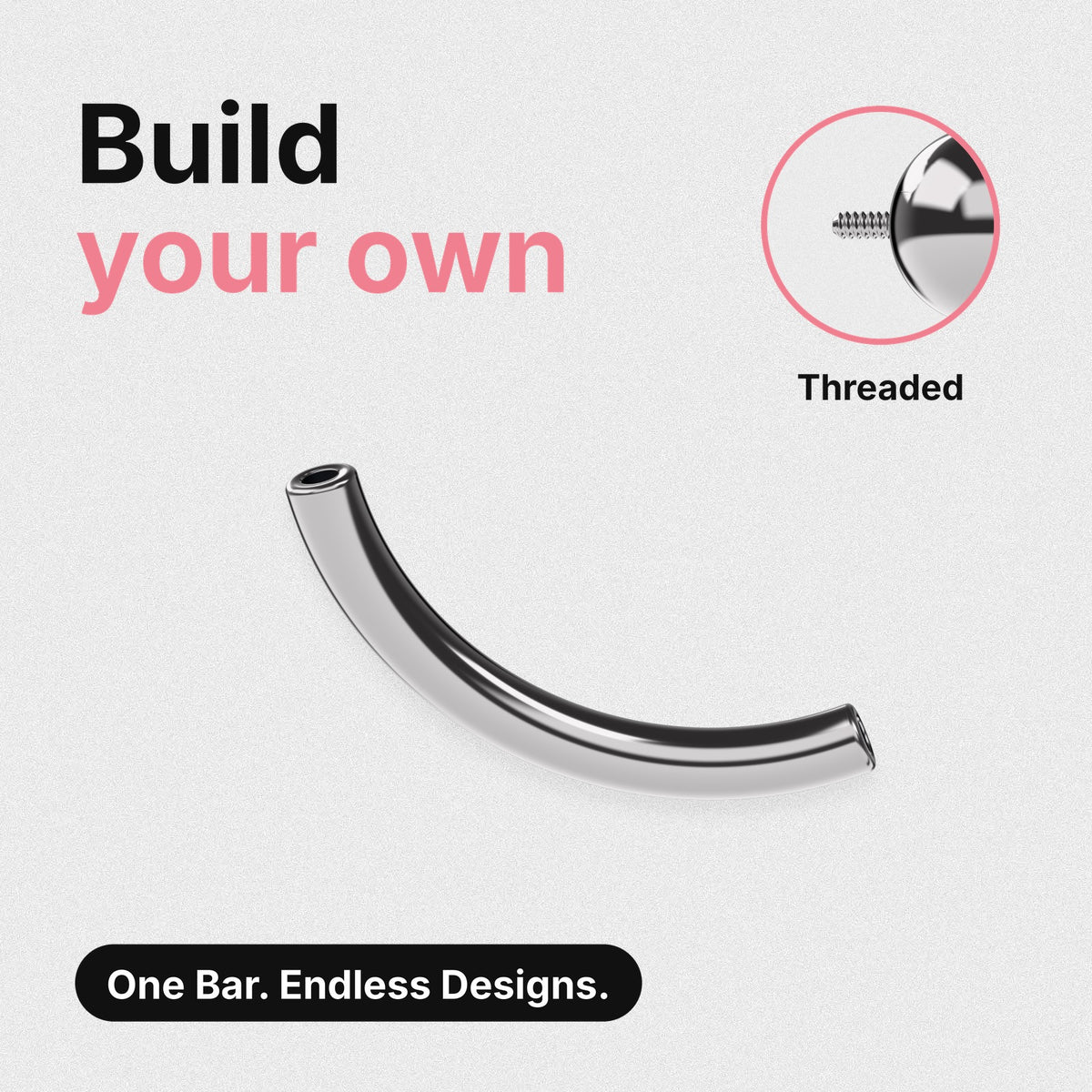
When the time comes, a navel takes a 1.6mm (14g) post, and a curved barbell is usually around 10mm (8 to 12mm). Rings do not go in navels. Here are some titanium options to browse:
- Titanium Threaded Curved Barbell
- Titanium Threaded Curved Barbell With Ball
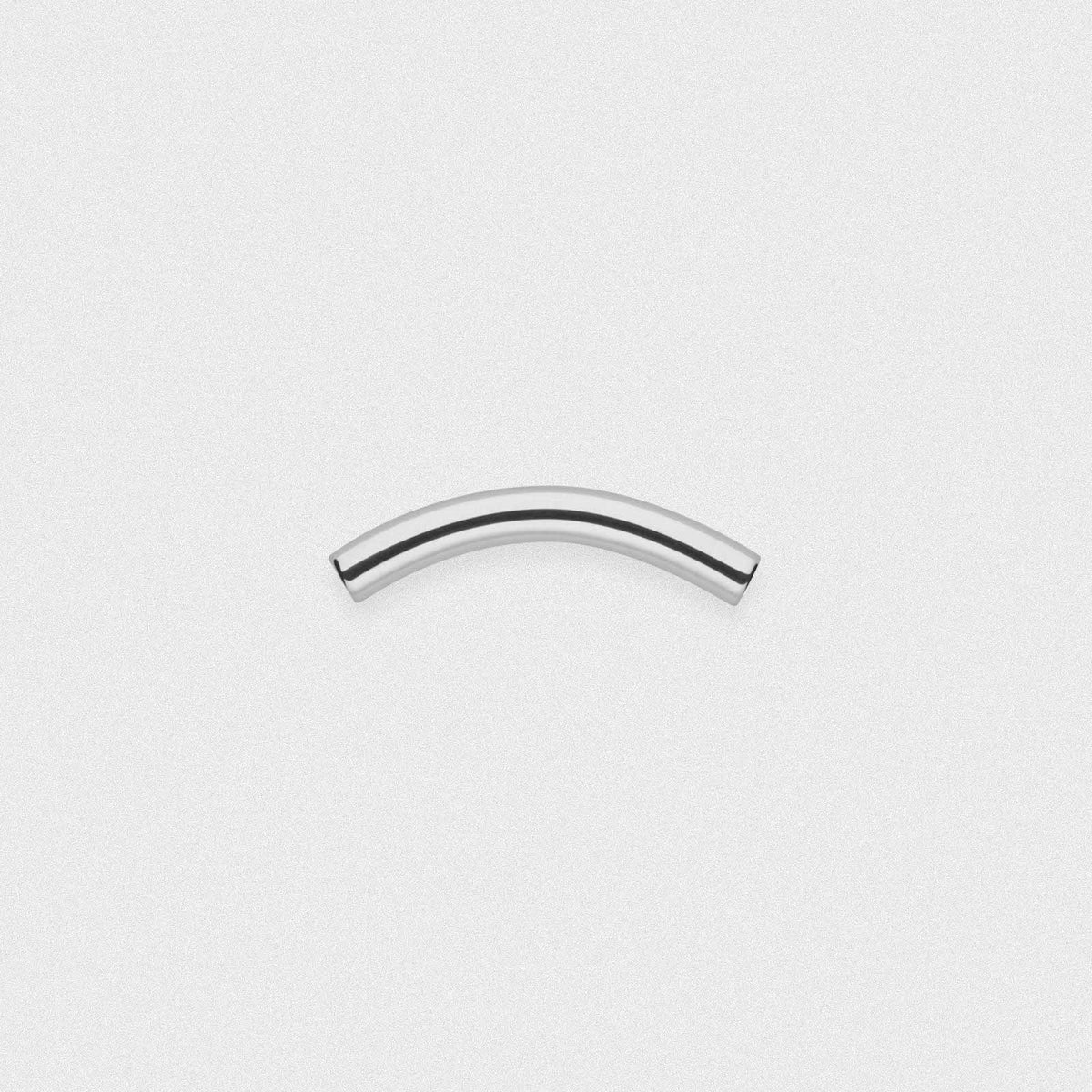
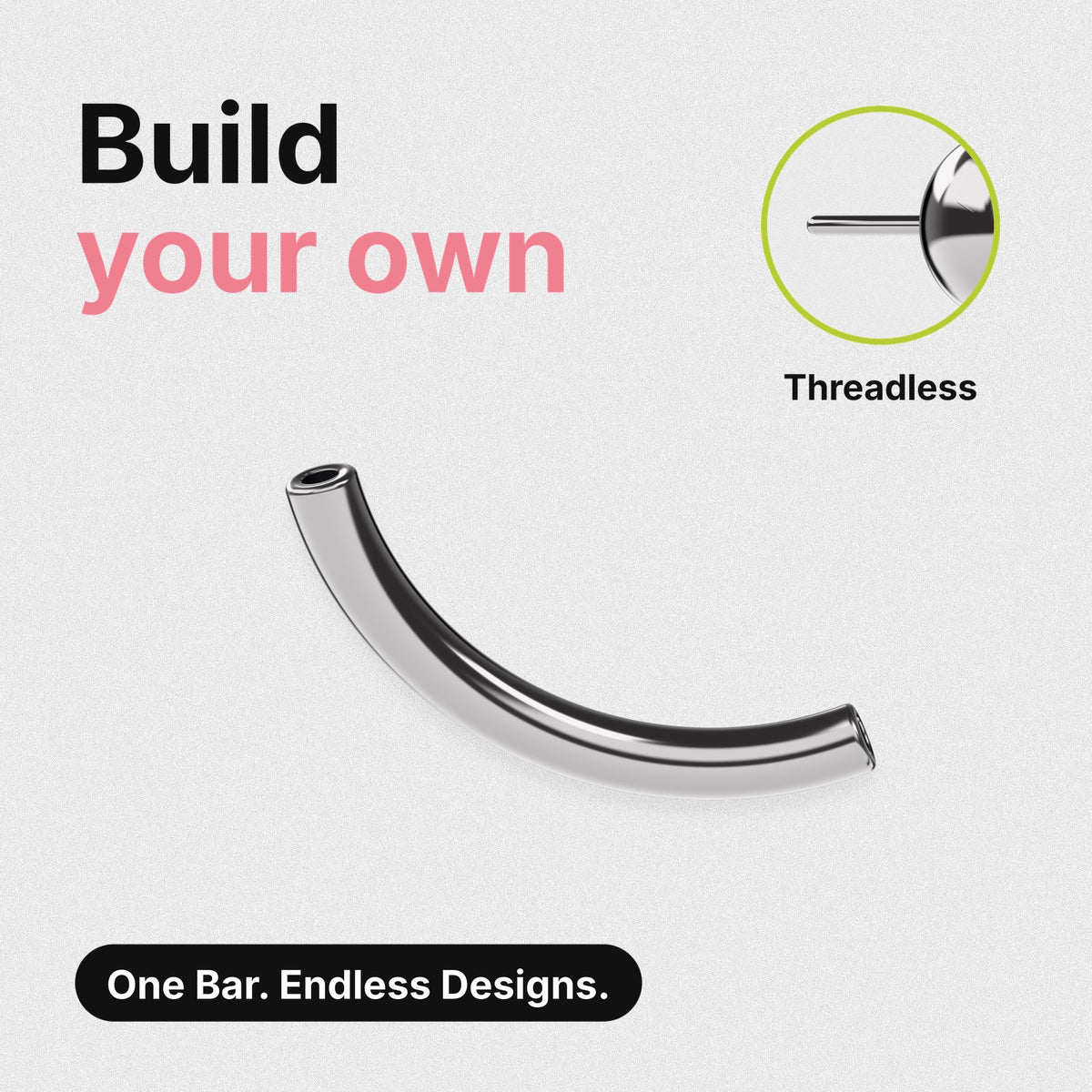
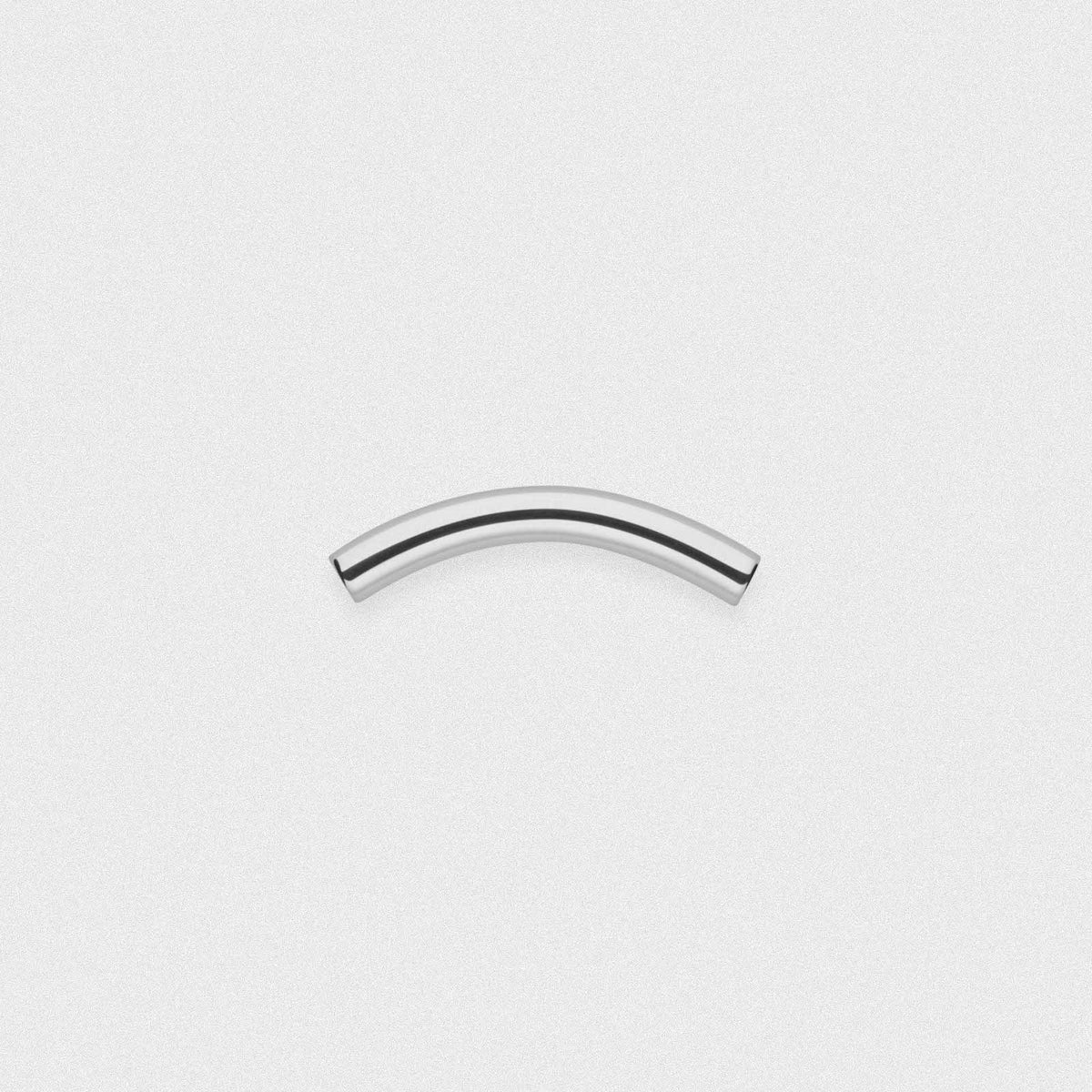
- Titanium Threadless Curved Barbell
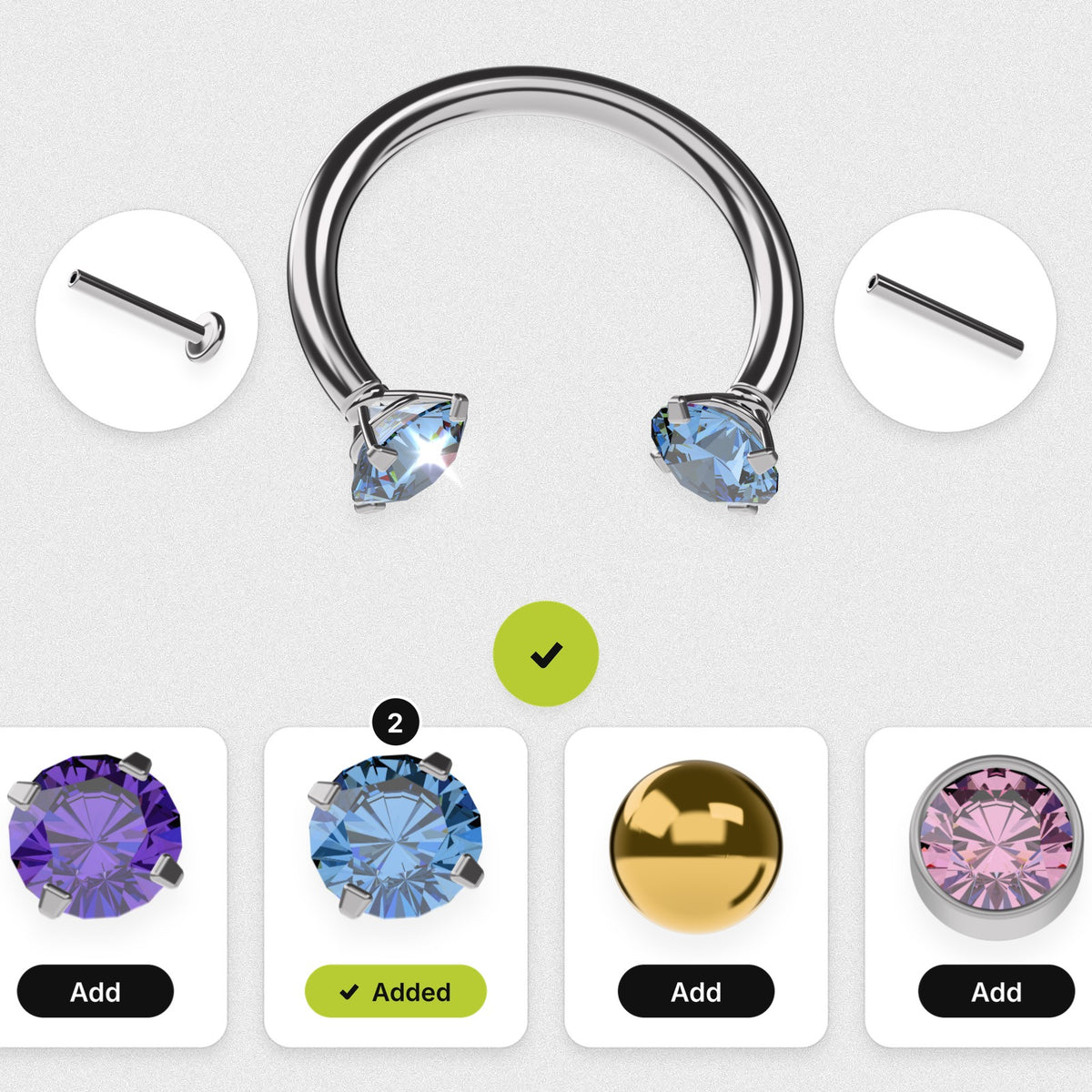
- Double Clear Jewelled Internally Threaded Titanium Belly Bar
- Double Black Jewelled Internally Threaded Titanium Belly Bar
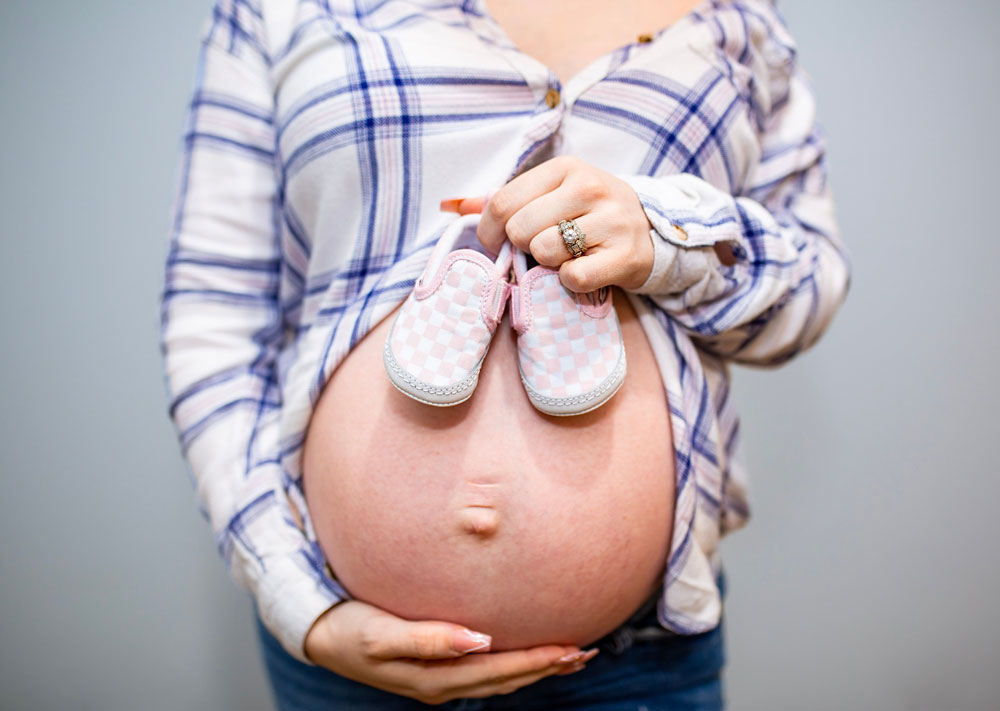
Want more choice? Browse the belly button piercing collection, our belly bars or the full ASTM F-136 titanium range. Expecting? Read our belly button piercing pregnancy survival guide.
FAQs
How long does a belly button piercing take to heal?
Typically 6 to 12 months for a full heal. It varies from person to person, and it can look settled much earlier.
Can a belly button piercing heal fast?
Not really. There are no shortcuts, but gentle saline cleaning, loose clothing and leaving it alone help you avoid setbacks.
What should a 2 week old belly button piercing look like?
Mild redness, swelling, tenderness and a little clear or pale crust are normal. Hot, spreading redness or thick coloured discharge are not.
Is it normal to bleed after getting a belly button piercing?
Light bleeding or spotting just after piercing can be normal. Heavy or ongoing bleeding is not, so speak to your piercer or a GP.
How do I heal an infected belly button piercing?
Do not self-treat with harsh products. Keep it clean with saline, then contact your piercer and see a GP or pharmacist.
When can I change my belly button jewellery?
Only when your piercer says it is ready, ideally after the full 6 to 12 months.
Be patient, it is worth it
Belly button piercings reward the patient. Keep it clean, keep it comfy, and keep the starter jewellery in until your piercer gives you the green light. Then the fun part begins, and there is plenty of shiny titanium waiting.
Featured in this post
Shop this post



Ready to shop?
Belly Button Piercing
19 styles. Implant-grade titanium, steel and gold. Free UK delivery over £30, 7,000+ five-star reviews.
Shop belly button piercing
Shop the range
Belly Button Piercing
19 styles. Implant-grade titanium, steel and gold. Free UK delivery over £30, 7,000+ five-star reviews.
Shop now