




Types of Nose Piercings: All Nose Placements Explained
In this post Jump to a section
Right, let’s talk about different types of nose piercings. Well, your nose is sat there, sticking out of your face, doing the basics: breathing, sniffing out BS, and judging your mate’s dodgy aftershave. So, how about it pulling its weight in the style department?
Quick answer
- There are nine main types of nose piercing: nostril, high nostril, double nostril, septum, bridge, rhino (vertical tip), Austin bar, nasallang and septril.
- The standard nostril is the best first nose piercing and heals in about 4 to 6 months. Start with a stud and wait until it's fully healed before switching to a hoop.
- The septum often heals fastest, in around 2 to 3 months. It goes through soft tissue rather than cartilage, and you can flip it up to hide it.
- Advanced placements like the rhino and nasallang take 9 to 12 months to heal. Whatever you choose, start with implant-grade titanium and rinse twice a day with sterile saline.
Many nose piercing types have been around for thousands of years across loads of cultures. There’s now a massive menu to choose from circa the 21st century.
The tricky bit is all types of nose piercings look different, heal differently and suit different anatomy and lifestyles.
Thankfully, this nose piercing guide covers all nose placements, from beginner-friendly classics to the really spicy shit. So, you can walk into the studio knowing what to ask for and expect.
Shop nose piercing jewellery →
Where Can You Pierce Your Nose?
Nose piercings are grouped by area:
- Nostrils = the sides of your nose
- Septum = the middle bit underneath the nostrils
- Bridge = up between your eyes
- Nasal tip = the end of your nose
Some of the more hardcore options pass through more than one of these at once.
Here’s all the different types of nose piercings, one by one.
Nostril Piercing

The nostril piercing is the OG most people go to first, and for good reason.
It goes through the outer cartilage of either nostril. And it’s the most popular classic nose piercing on the planet for the following reasons:
- Versatility
- Suits pretty much every nose shape and size
- Best nose piercing for first timers
It’s typical to start with a stud while it heals, like a flat back labret. But you can shake things up with a hoop once it’s fully settled. Just don’t jump the gun, because putting in a ring too early is a fast track to an angry, bumpy nostril.
Typical nose piercing healing time for a nostril piercing = four - six months or sometimes longer
High Nostril Piercing

Think of it like the classic nostril piercing’s cool older sibling.
These editorial types of nose piercings are further up the side of your nose, closer to the bridge.
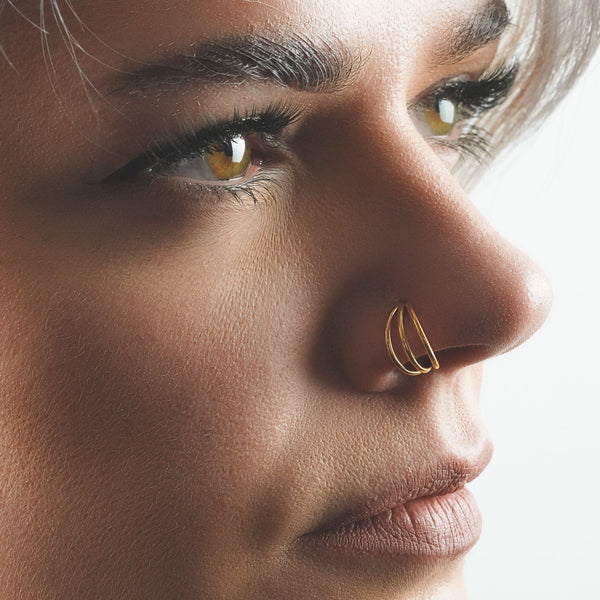
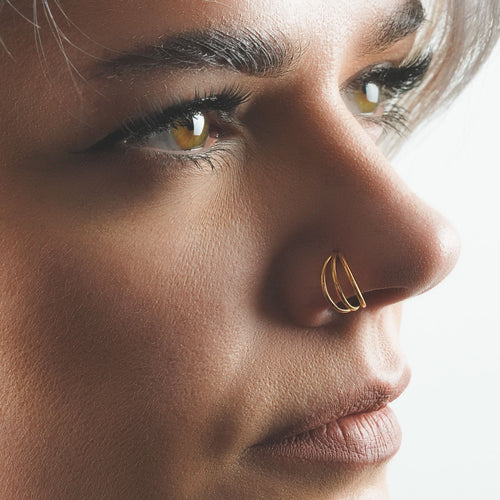
You can have a pair done together. Or you can pair a high nostril piercing with a standard version for a stacked look.
But be mindful your jewellery has to sit flush against the skin, because it’s higher up, making flat back labrets and studs the only option. Hoops won’t work in this placement.
Also, bear in mind a high nostril piercing goes through thicker cartilage. This usually means a longer healing time and less room for mistakes.
And it’s not for everybody. Some noses simply don’t have the anatomical space for a comfortable fit.
Typical nose piercing healing time for a high nostril piercing = six - twelve months
Multiple or Double Nostril Piercing

Can’t decide on your favourite types of nose piercings? Then don’t. Double or multiple nose piercing placements tick more than one box. For example:
- Two or more piercings on the same side
- Stacked
- Side by side
- One or more in each nostril for a symmetrical look
You might want to go all in and get them done in the same session. Or add one at a time as your style changes.
Either way, there’s tons of scope to mix studs, hoops and textures once everything’s healed. But more holes = more healing. For this reason, your nose piercing aftercare routine needs to keep up.
Typical nose piercing healing time for a double nostril piercing = four - six months per piercing
Septum Piercing

Let’s bust a common myth straight away… a septum piercing doesn’t go through cartilage. It goes through the thin flap of soft tissue just below the cartilage, in the middle of your nose.
And the good news is you might find it far less painful than expected when it’s done by a piercer who knows their shit. Although eye-watering is normal.
The septum piercing rocks because:
- It’s versatile - Choose from a septum clicker, ring, horseshoe, and decorative pieces.
- You can hide it - A horseshoe or septum clicker is practically invisible when you flip it up into your nose. This is super handy for job interviews, family occasions or a strict boss.
- It heals quickly - A septum piercing often heals faster than other types of nose piercings.
On the downside, colds and runny noses with a fresh septum piercing aren’t fun.
Typical nose piercing healing time for a septum piercing = two - three months
Bridge Piercing

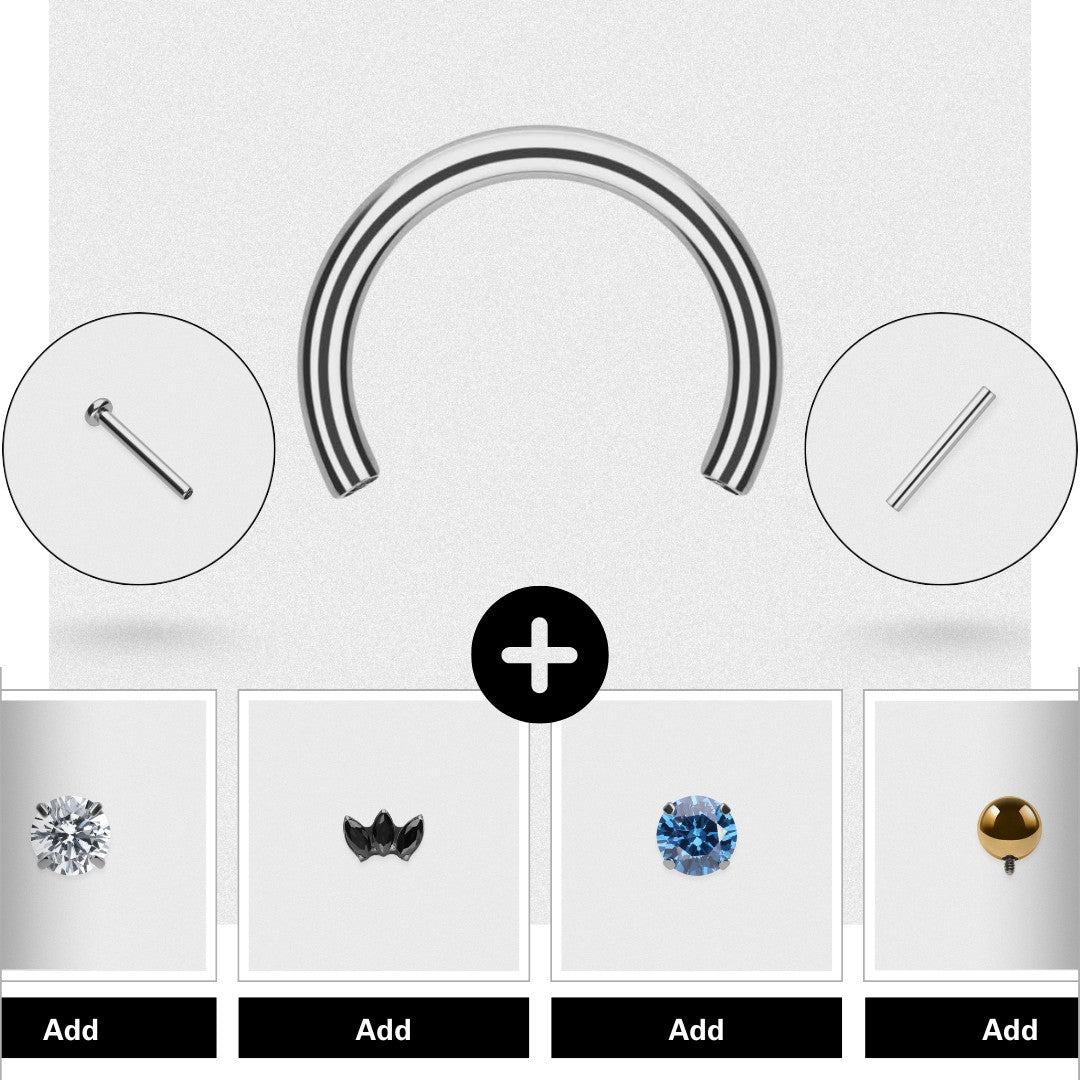
A bridge piercing sits horizontally across the top of your nose, right between your eyes. It’s a surface piercing, so it goes through the skin rather than heavy cartilage or bone, and it’s usually fitted with a straight barbell.
Its vibe is bold, punky and defiant. But a bridge piercing is anatomy dependent. You need enough skin to pinch in the area to be able to get it done. And like all surface piercings, there’s a higher risk of migration or rejection.
As for wearing glasses? You’ll need to think about where your frames sit before committing to a bridge piercing.
Typical nose piercing healing time for a bridge piercing = two - three months, depending on anatomy and sound nose piercing aftercare
Rhino Piercing or Vertical Nose Tip Piercing
The rhino piercing or vertical nose tip piercing goes straight down through the tip of your nose, with a curved barbell displaying one bead on top and one underneath. It’s striking, rare and definitely not for the faint-hearted.
Expect a more intense experience and a long, slow healing process, because it passes through thick tissue at the tip of your nose.
And you’ll certainly know about it if you:
- Bump it
- Catch it on clothes
- Sneeze hard
This one’s for experienced body mod enthusiasts and highly skilled piercers.
Typical nose piercing healing time for a rhino piercing = 9 - 12 months
Austin Bar Piercing
The Austin Bar piercing is the rhino piercing’s sideways cousin.
It’s a straight barbell going horizontally through the tip of your nose, from one side to the other, without touching the septum or nostrils. You just see two beads on either side of your nose tip.
This is another anatomy-dependent piercing. You need enough tissue at the tip, and a piercer who’s done Austin Bar piercing before.
Typical nose piercing healing time for an Austin bar piercing = four - six months, or sometimes longer
Nasallang Piercing
Fancy thrice as nice? The nasallang piercing passes through one nostril, the centre cartilage, and out of the other nostril. It looks like two separate nostril studs. But it’s actually a complete tri-nasal statement.
To be clear, the nasallang piercing is one of the most advanced types of nose piercings. Placement has to be precise, healing is long, and it’s not one to chance with a dodgy guy in a shabby kiosk.
Typical nose piercing healing time for a nasallang piercing = 9 - 12 months
Septril Piercing
The septril piercing is the daddy of all nose piercing types.
It combines a septum piercing exiting vertically through the bottom of your nose tip, with a curved barbell showing from underneath the nose.
The thing is, you need a healed, stretched septum to get it done. This is why it’s popular in the stretching community.
The potential drawbacks?
- Complex
- Painful
- Takes a long time before you can even think about getting it done
But it’s the bee’s knees if you’ve been stretching and want something properly rare.
Typical nose piercing healing time for a septril piercing = 6 - 12 months, depending on your anatomy and stretch size
Which Nose Piercing Should I Get?
Choosing between all the different types of nose piercings goes deeper than TikTok’s obsession of the week.
Run through these factors to help you make a good decision:
- Style - A nostril piercing is timeless and easily upgradable, whereas a septum piercing couples styling freedom with an invisibility hack. High nostrils and bridges are edgier, while the rhino, Austin Bar and nasallang piercing are attention-grabbers. What’s your flavour?
- Anatomy - Your nose shape, tissue thickness, septum position and nostril all affect how different nose piercing types will sit comfortably and heal well.
- Lifestyle -
- Play contact sports?
- Wear a helmet or face mask?
- Work somewhere with strict rules on visible jewellery?
- Patience - All types of nose piercings need time, but some a lot more than others. So, a rhino or nasallang piercing probably isn’t for you if you’re not up for a year of careful nose piercing aftercare.
What Nose Piercing Jewellery Types Should You Wear?

Start with the good stuff. For this purpose, many professional piercers recommend implant-grade titanium nose jewellery for its lightness, tarnish resistance and kindness to sensitive skin.
Conversely, cheap mystery metal often contains nickel, which is one of the most common skin irritants.
Then, pick your style:
- Nose studs, screws and labrets - Clean and understated
- Nose bones - Tiny straight posts with a small ball or decorative end for healed piercings
- Nose rings - Classic in fully healed nostrils
- Septum clickers and rings - Ranging from minimal to dramatic
- Straight and curved barbells - For bridge, rhino, Austin Bar, nasallang and septril piercings
And don’t overlook getting the right gauge and diameter too. They make a massive difference to comfort and how your jewellery sits. Too tight and it presses into the tissue. Too loose and it catches on everything.
Nose Piercing Aftercare
Effective nose piercing aftercare doesn’t have to be complicated, no matter what mad types of nose piercings you decide on. Just consistently follow this simple MO:
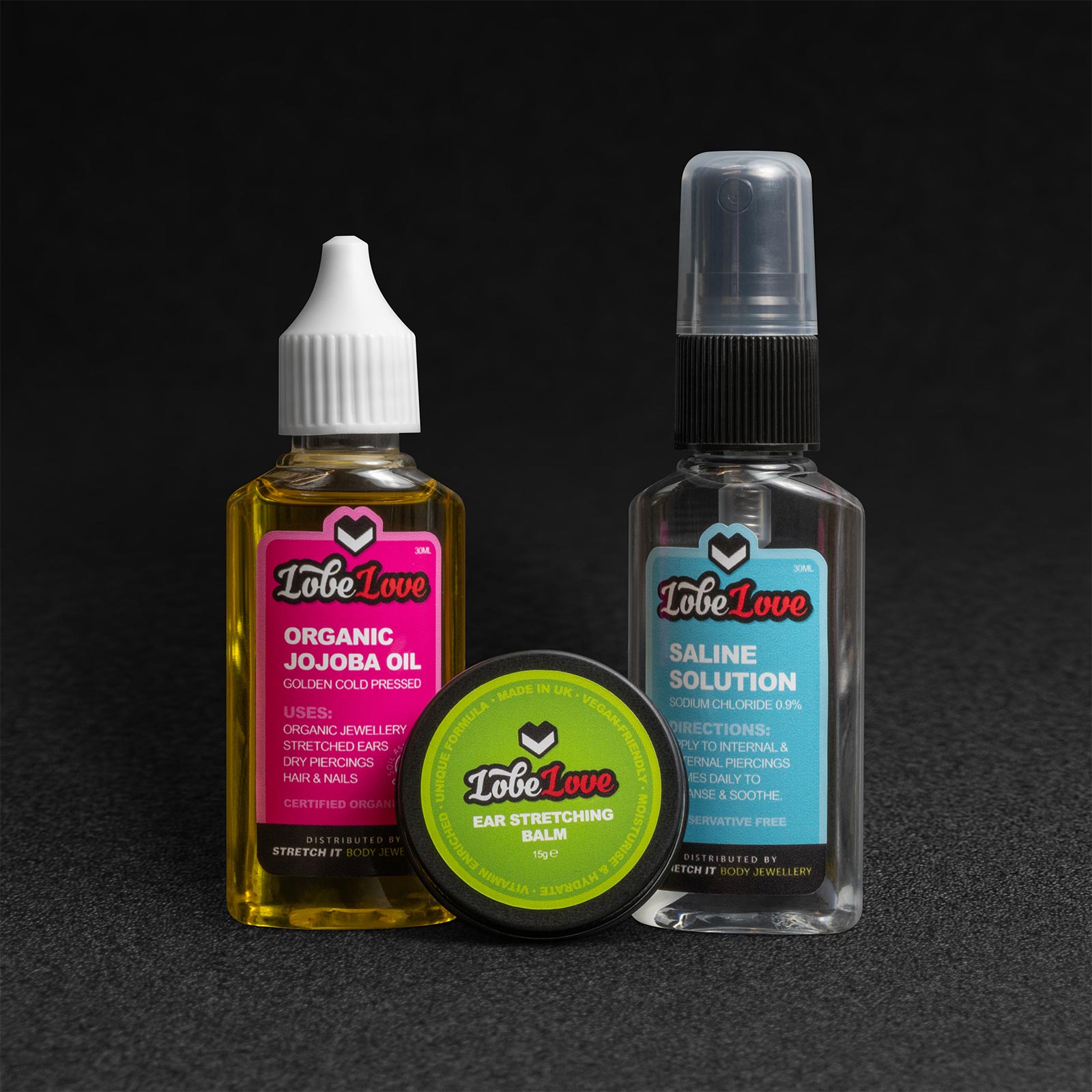
- Rinse twice a day with a sterile saline spray like LobeLove™ Professional Saline Piercing Spray rather than a cheap but sometimes uncheerful DIY salt mix.
- Pat dry with clean gauze or kitchen roll. But avoid bacteria-packed fluffy towels.
- Hands off - No twisting, turning or fiddling.
- Avoid harsh products - Alcohol, hydrogen peroxide, tea tree oil and scented soaps are a no-no.
- Keep makeup and moisturiser away from all types of nose piercings until healed.
- No swimming in pools, hot tubs, lakes, rivers or the sea in the early stages.
- Be patient - Resist the urge to change your jewellery until your piercer says so, and book in for a downsize if they recommend it.
FYI, mild redness, swelling, tenderness and some crusting are all normal. But the following symptoms aren’t, and indicate it might be time to get checked by your piercer or GP:
- Severe or worsening pain
- Spreading redness
- Thick discoloured discharge
- Fever
- Jewellery sinking into the skin
Oh, and one more thing. Little bumps are usually caused by irritation such as pressure, poor-fitting jewellery, and fiddling, rather than infection. Identify the cause and deal with it. Boom!
Nose Piercing FAQs
What’s the least painful nose piercing?
Pain is personal. But lots of people in the community find the septum piercing surprisingly manageable, because it goes through soft tissue rather than cartilage. Standard nostril piercings are usually over in a quick pinch too. Whereas the rhino piercing and septril piercing are spicier.
Which nose piercing heals the fastest?
The septum piercing often settles in around two - three months. At the other end of the scale, rhinos and nasallangs can take up to a year.
Can I put a hoop in my new nostril piercing straight away?
Best not. Hoops move around more, and the extra movement can irritate healing tissue. Start with a titanium nose stud and swap once your piercer gives you the go-ahead.
Can I hide a nose piercing for work?
A septum piercing is the easiest of all types of nose piercings to hide. Just flip it up. Otherwise, you can try a clear or skin-tone retainer for healed nostrils.
What’s the best jewellery for a new nose piercing?
Implant-grade titanium nose jewellery is your ride or die for fresh piercings. It’s lightweight, nickel-free and gentle on sensitive skin. Threadless and flat back designs are comfortable and reduce snagging too.
Pick Your Placement and Your Jewellery
There’s a nose piercing out there for every total noob and each seasoned modder working up to a septril piercing.
But, in any scenario:
- Do your research
- Find a piercer who knows their stuff
- Invest in quality implant-grade titanium nose jewellery
- Give your new hole the nose piercing aftercare and patience it deserves
Visit Stretch It Body Jewellery for everything you need to know about types of nose piercings and processes, aftercare and jewellery.
It’s the only place to be for expert advice, quality products and endless inspiration.
Heads up: Healing times and suitability vary from person to person. Always chat with an experienced, reputable piercer about your anatomy before you book.
Featured in this post
Shop this post



Ready to shop?
Nose Piercing
233 styles. Implant-grade titanium, steel and gold. Free UK delivery over £30, 7,000+ five-star reviews.
Shop nose piercing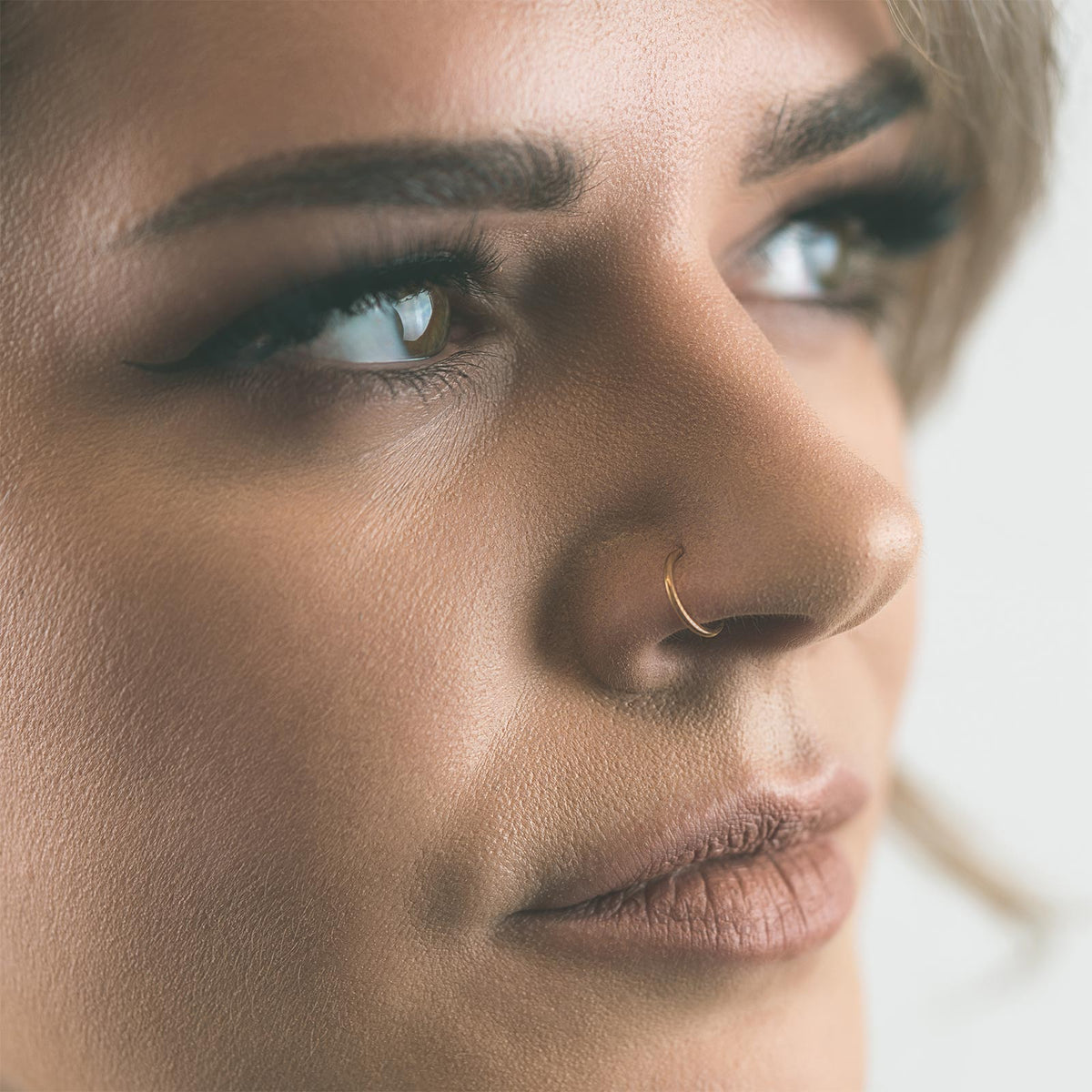


Shop the range
Nose Piercing
233 styles. Implant-grade titanium, steel and gold. Free UK delivery over £30, 7,000+ five-star reviews.
Shop now