





Forward Helix Piercing: Pain, Healing, Jewellery and Aftercare
In this post Jump to a section
Same pain, same healing time, different postcode.
The forward helix piercing might be your sweet spot if your aesthetic is small, sharp and slightly unexpected. It sits tucked into the front of the upper ear, where a tiny stud or a neat ring glints without hollering.
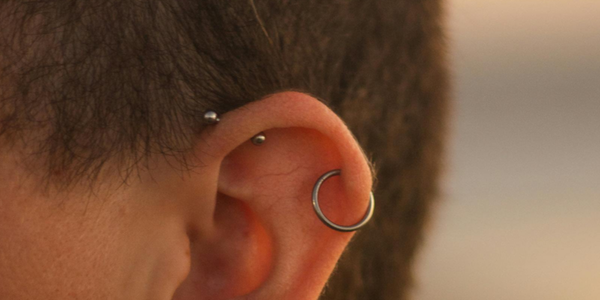
There’s the option to go all in with a double forward helix piercing or even a triple forward helix piercing - the stunning stacks collection pages show you, but can't really explain.
Quick answer
Quick answer: a forward helix is a piercing through the cartilage at the front of the upper ear rim, nearest your face. It is a 5/10 on our pain scale and takes 6 to 9 months to fully heal. Go for a 6mm ring or a 5 to 6mm labret bar in implant grade titanium. This is what this guide’s for, taking you through the following steps and everything in between:
- What’s a forward helix piercing when it’s at home?
- How and when should I do my first forward helix piercing jewellery swap?
- How painful is a forward helix piercing?
- Is it hard to heal a forward helix?
- What gauge is a teeny, tight forward helix piercing?
What is a Forward Helix Piercing?
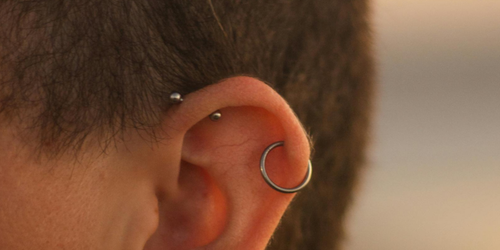
A forward helix piercing passes through the cartilage on the front curve of your upper ear rim. Picture where the top of your ear folds in towards your face, just above the tragus. That little ridge is forward helix territory.

It's easy to mix up with its neighbours. So, here's the quick version:
| Piercing | Where it sits | Pain | Full heal |
|---|---|---|---|
| Forward helix | Front of the upper ear rim, nearest the face | 5/10 | 6 to 9 months |
| Helix | Outer edge of the upper ear, further round the rim | 5/10 | 6 to 9 months |
| Tragus | The small flap of cartilage in front of the ear canal | 5/10 | 6 to 12 months |
Not sure about the difference between helix vs forward helix piercing?
Same pain, same healing time, different postcode.
The standard helix is on the outer rim, while the forward helix is on the front fold, right next to your face.
Read Helix Piercing: Everything You Need To Know for the full lowdown on its outer rim cousins.
While you’re at it, it’s also worth having a nosey at Types Of Cartilage Piercings: The Ultimate Guide for the whole family tree.
There’s one thing you should be crystal clear about from the start. The forward helix ear piercing goes in a tiny, tight spot, without much room for jewellery to move. This is why sizing is vital (more on this below).
At the end of the day, not every ear’s got the right fold or enough space. For this reason, a professional piercer should always check your anatomy before you commit.
In the meantime, browse our Forward Helix Piercing collection for a sneaky peek at what looks insane there if you’re ok to go ahead.
How Painful is a Forward Helix Piercing?
We'd be lying if we told you it doesn’t hurt. A forward helix piercing scores a reasonably spicy 5/10 on the pain-o-meter.
This is because cartilage is tougher than lobe tissue, so it’s going to hurt more. The good news is it's over fast.
Here's what to expect on the day:
- The pierce - A sharp, hot pinch lasts a second or two. Breathe out as the needle goes through and it's over while you’re still thinking about it.
- The next hour - A warm, dull throb as your ear processes what’s just gone down.
- The first few days - Some tenderness and swelling - especially if you knock it - which is totally normal.
That said, everybody’s pain threshold is different. So, your 5 might feel like someone else's 2 or 9. In any event, it helps to be well fed, hydrated and relaxed.
Want to see how forward helix ear piercing ranks against everything else? Check out The Most Painful Piercings: Piercing Pain-O-Meter

How Long Does a Forward Helix Piercing Take to Heal?
Full forward helix piercing healing time is typically six to nine months.
A word of warning on this. Cartilage loves to look settled on the surface, while the tissue inside is still finishing the job. So, leave your starter forward helix piercing jewellery in until your piercer confirms it's ready to change.
You can expect the following symptoms as part of the normal healing process:
- Some redness, swelling and tenderness
- A bit of clear or pale yellow fluid that dries into crusties around your jewellery
They’re annoying, but not alarming, and should calm down but shouldn’t get worse.
Is it Hard to Heal a Forward Helix?
Not hard, but slower than a lobe, and a bit cranky if bothered. Most healing shit shows result from the same old handful of culprits, which are:
- Snagging it on hair, brushes, towels or clothing
- Sleeping on it
- Hair products, perfume and make-up drifting onto it
- Headphones, glasses arms and face mask loops
- Forward helix piercing jewellery worn too tight, or a bar left too long once the swelling’s gone down
Avoid these humdingers and you're most of the way there. A small irritation bump is not the same as a keloid, so read Piercing Bump vs Keloid: How to Tell the Difference and What to Do About It if one pops up.
Signs of an Infected Forward Helix Piercing
Infection is different from irritation. The most common red flags of an infected forward helix piercing are:
- Spreading redness
- Heat
- Thick yellow or green discharge
- Increasing pain
- Anything that's getting worse rather than better
Go back to your piercer or GP if any of this sounds familiar. And don't take the jewellery out yourself, which can trap infection inside.
What’s the Best Fit Forward Helix Piercing Jewellery?
This is where other forward helix piercing advice you’ve seen gets vague - and overly optimistic.
Remember, you’re dealing with a minuscule spot. So, the wrong size jewellery will either pinch, press or flop about. On the other hand, it'll feel and look like it was made for you when you get the hardware right.
These are the scores on the doors to ensure this happens:
| Size | |
|---|---|
| Gauge (thickness) | 1mm (18g) or 1.2mm (16g) |
| Ring diameter | 6mm (8mm absolute max) |
| Labret bar length | 5 to 6mm |
| Also fits | 0.8mm ear hoops |
Let’s break it down further by forward helix piercing jewellery type.
Style Besides Size
As luck has it, you’re not rigidly limited in terms of forward helix piercing jewellery styles, despite the limited space this placement offers up:
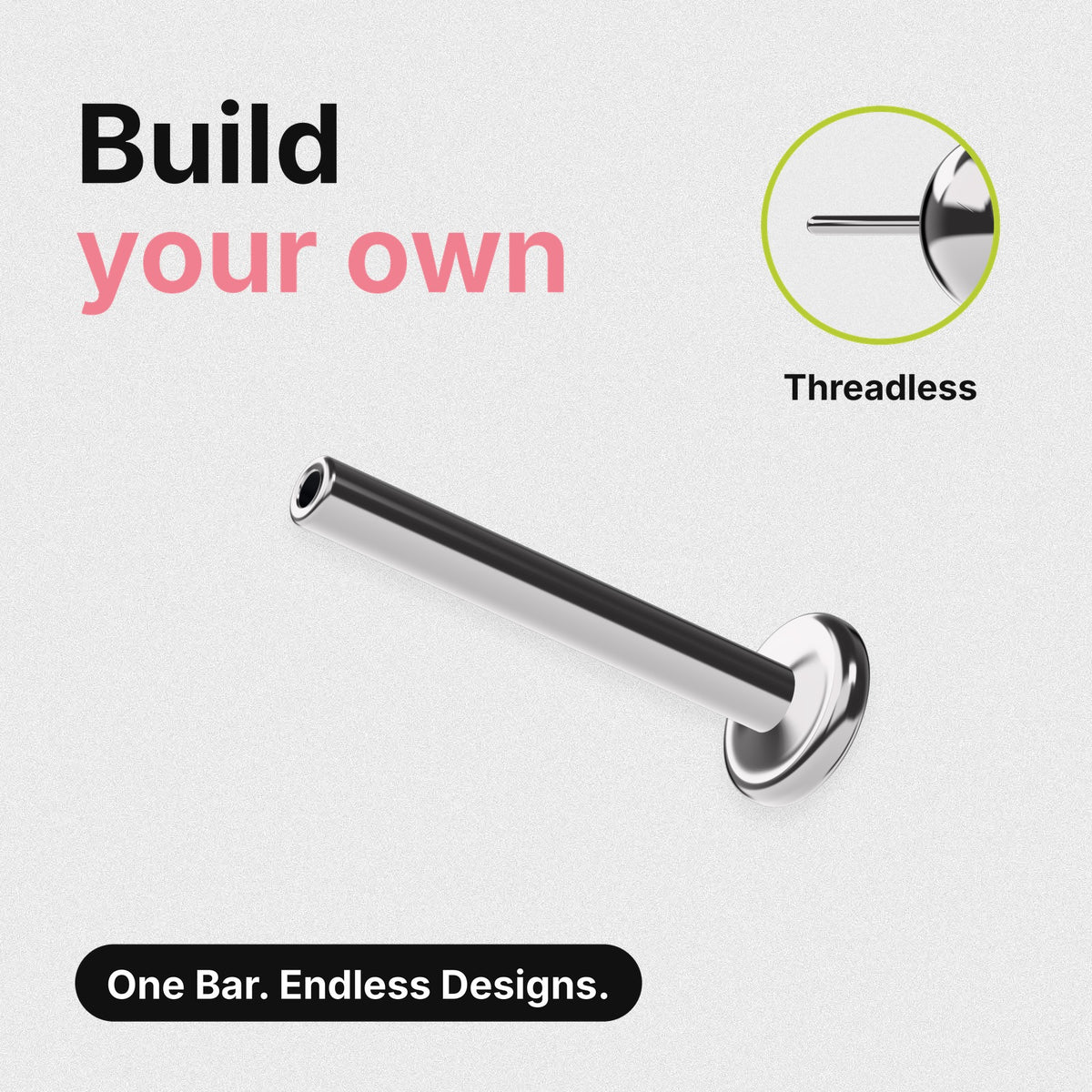
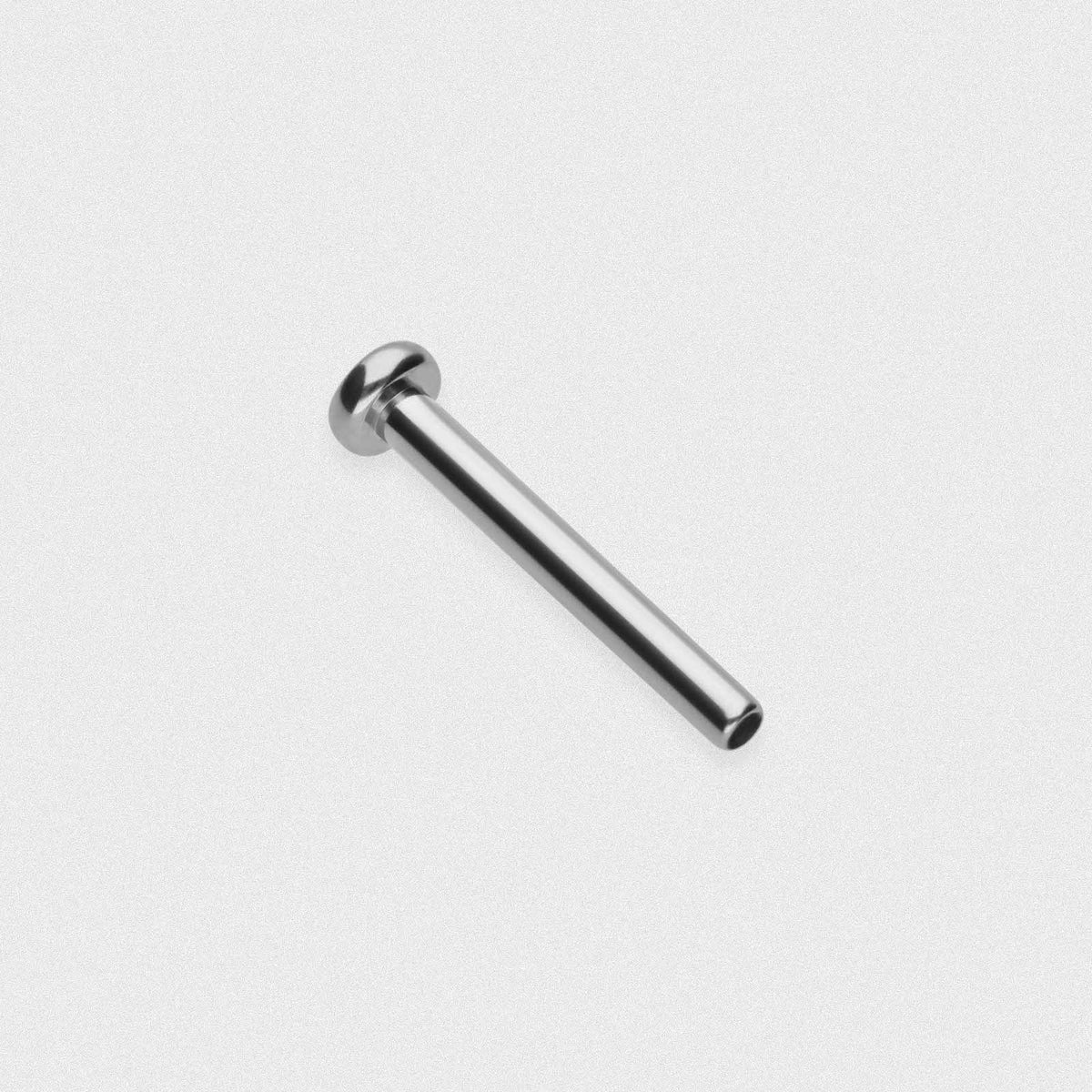
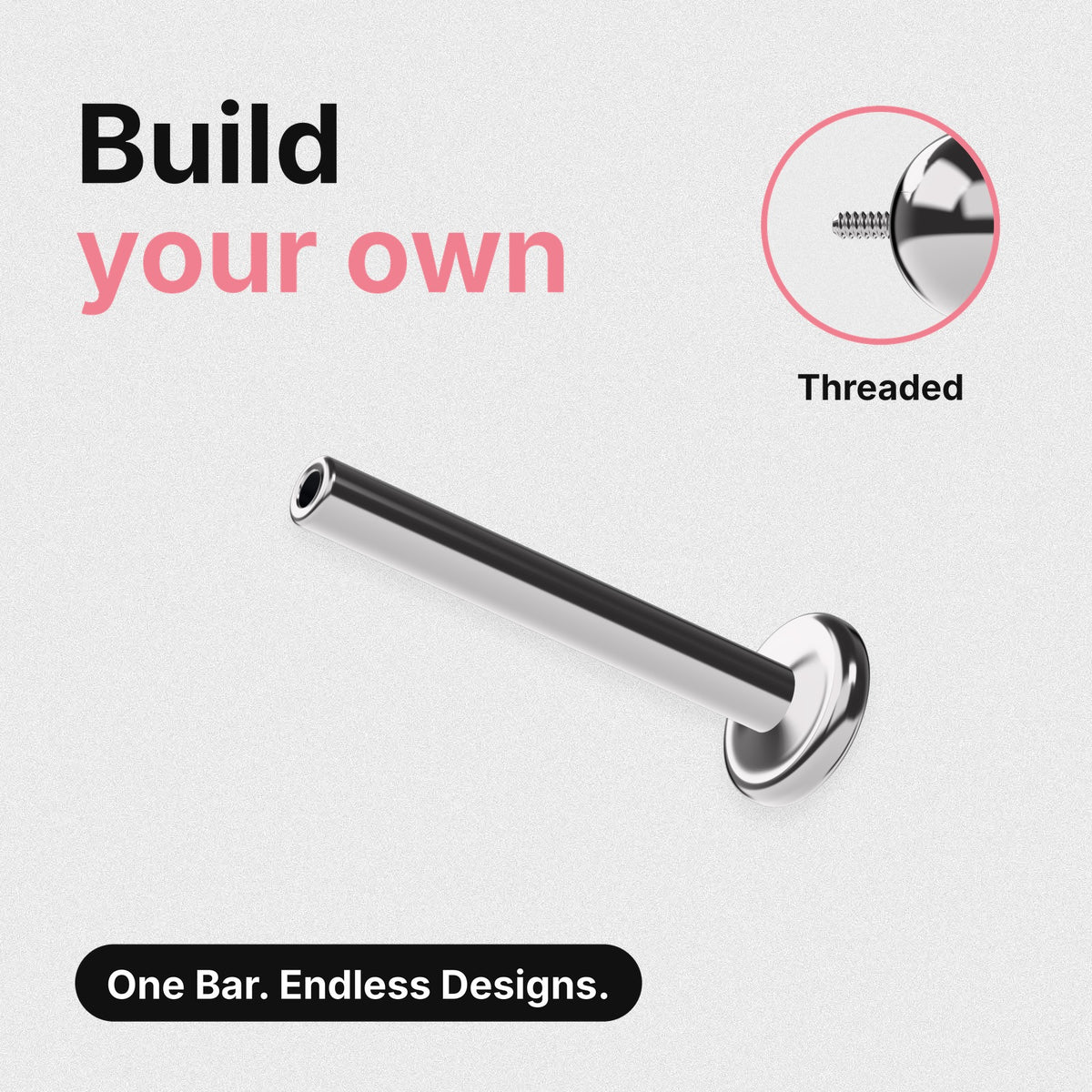
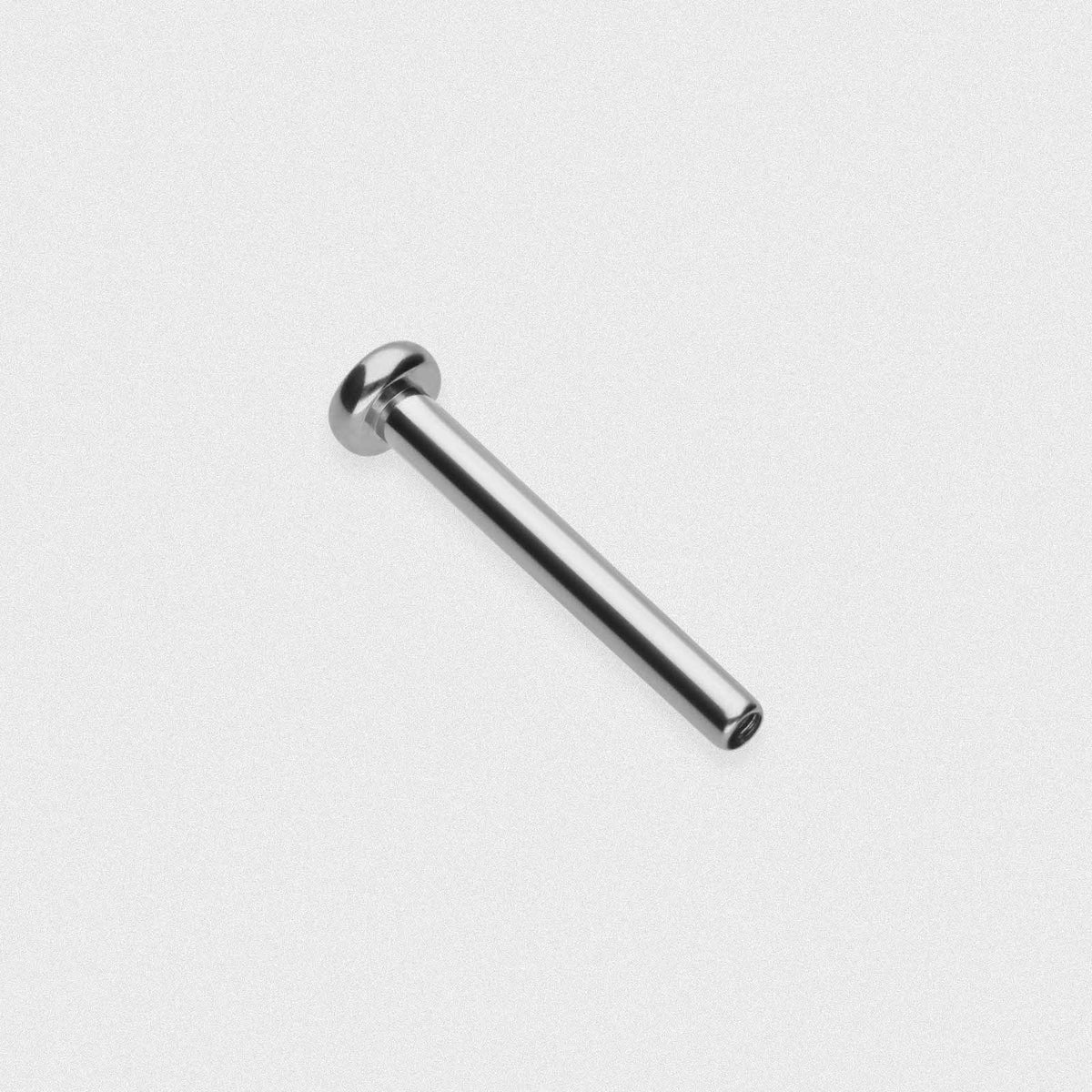
- Labret bars - These are flat at the back, sitting snugly against the side of your head without poking. It’s a classic choice for a fresh piercing and an easy win for everyday wear. The Titanium Threadless Labret Bar and Titanium Threaded Labret Bar both come in the 5 - 6mm length you need.
- Rings - Fancy a neat little hoop hugging the front of your ear? They're a healed piercing move and look brilliant in a stack. The Titanium Hinged Segment Ring is a no brainer. Go edgier with a Black PVD Titanium Hinged Segment Ring. Go prettier with a Gold PVD Titanium Hinged Segment Ring or Rose Gold PVD Titanium Hinged Segment Ring. Alternatively, the Titanium Seamless Nose Ring also works as a sleek, hassle-free option.
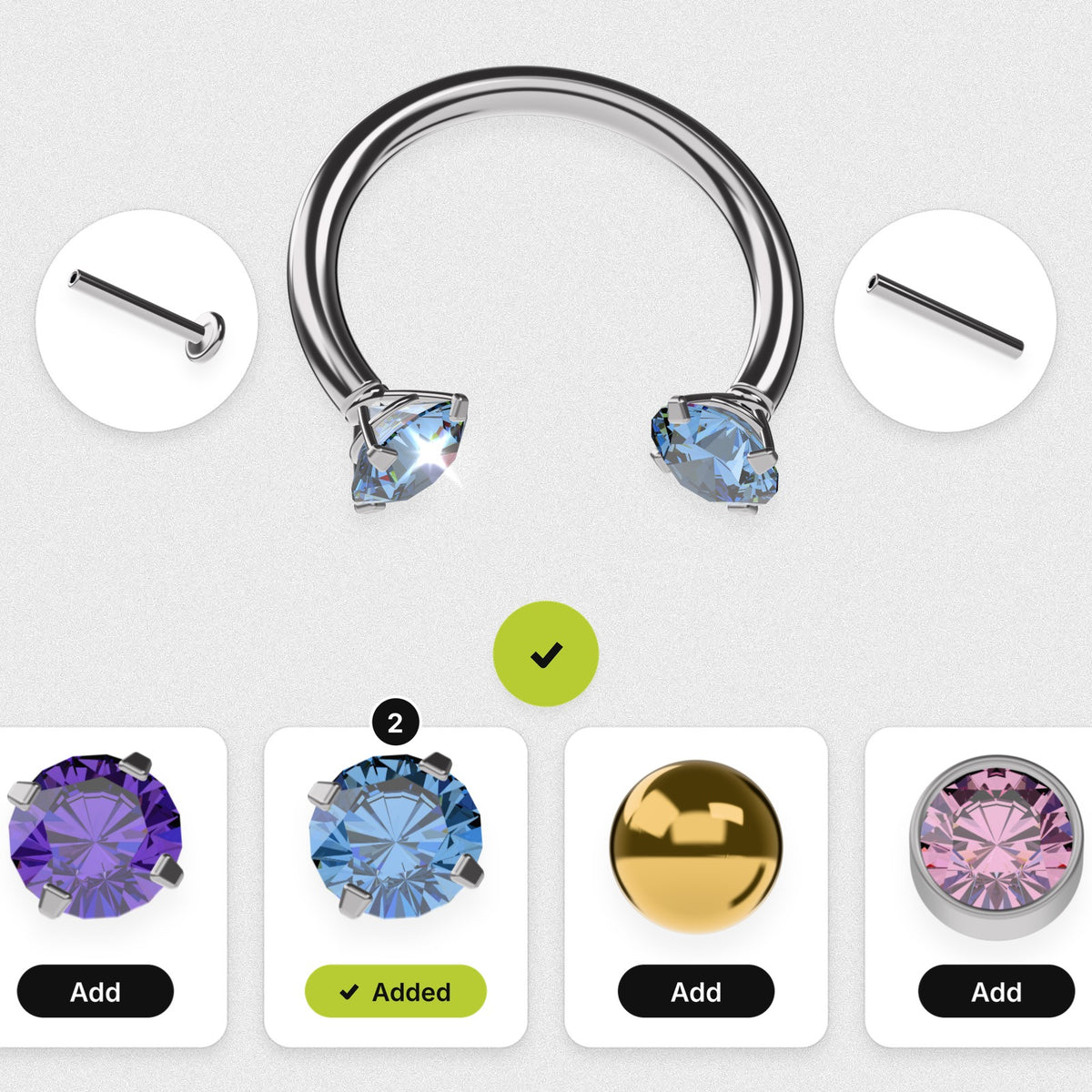
- Mix it up. Try studs on top and a ring at the bottom, using a Titanium Threaded Labret Bar with a tiny gem or flat disc.
- Go big or go home - Pair your forward helix stack with a helix further round the rim, or a tragus just below, for real cartilage curation.
But give the wrong size rings, clickers, charm BCRs and straight barbells a miss with this placement.

Threaded vs Threadless
- Threaded jewellery - Screws together
- Threadless jewellery - Tops push into the bar, with a gentle bend in the pin holding them in place
For both safety and simplicity, threadless is a favourite with piercers. This is because nothing has to be twisted through a healing hole. Plus, swapping tops later is piss easy.
Why Titanium?
We only recommend implant grade ASTM F-136 titanium for a new forward helix piercing.
It's nickel-free, lightweight, body friendly and the same grade used in medical implants. Whereas mystery metal and healing cartilage should never be expected to mix.
Shop the full ASTM F-136 Titanium collection and see for yourself.
Build a Stack with Double or Triple Forward Helix Piercing
One forward helix piercing is cute. But two or three is a vibe.
It’s pretty self-explanatory:
- Double forward helix piercing - Puts two piercings along the front fold
- Triple forward helix piercing - Adds a third, usually running vertically or on a slight diagonal
It’s your piercer’s call how far apart they are, depending how much usable cartilage you've got.
More stack inspiration lives in our Helix Piercing and Cartilage Piercings collections.
What are the Pros and Cons of Getting a Forward Helix Piercing?
There are good things and not so good things about the forward helix, just the same as most other piercing placements across the body.
In a nutshell:
| Pros | Cons |
|---|---|
| Subtle but sick | Slower to heal than a lobe |
| Perfect for doubles, triples and ear stacks | Easy to snag |
| Loads of stud and ring options when healed | Small sizing window |
| A good first cartilage piercing | Tricky to sleep on while it heals |
And if you’re nodding along at the pros and thinking the cons sound manageable? Then you're quite possibly a forward helix person.
How Much is a Forward Helix Piercing and Who Should Do It?
Prices vary from studio to studio, depending on factors like:
- Where you are
- Who's piercing you
- If jewellery’s included
Read How Much Do Piercings Cost for a fuller breakdown of what affects the price.
What doesn't vary is this… A forward helix piercing should only ever be done by a professional piercer with a sterile needle. NEVER A GUN. Guns can shatter cartilage.
Always ask for implant grade titanium jewellery when you book.
In addition, a good piercer will start you off with a slightly longer bar to give the piercing room to swell. You’ll be downsized to a snugger fit once things calm down.
Forward Helix Aftercare Do's and Don'ts
Effective aftercare isn't complicated. It mostly involves gentle cleaning and leaving it alone.
Do
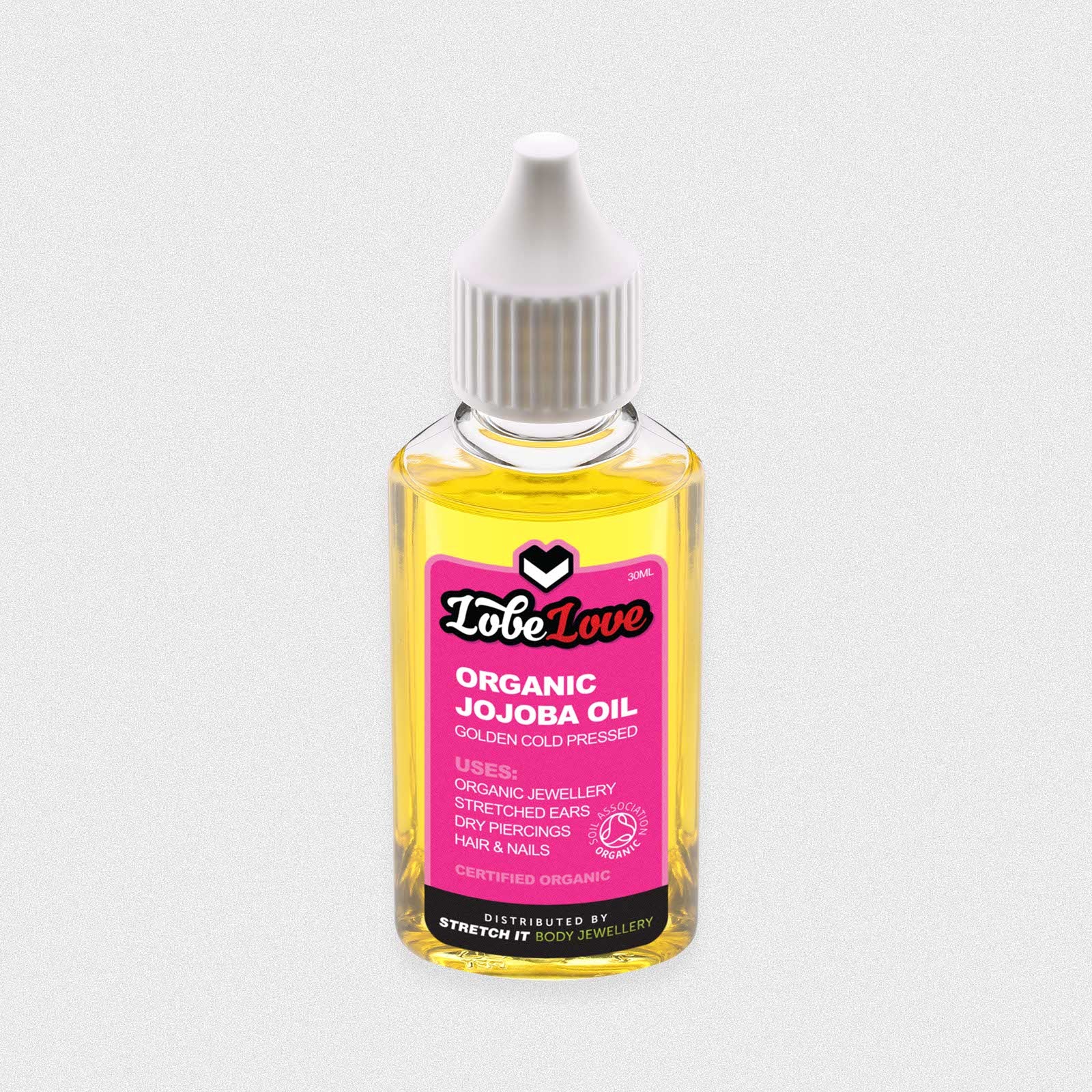
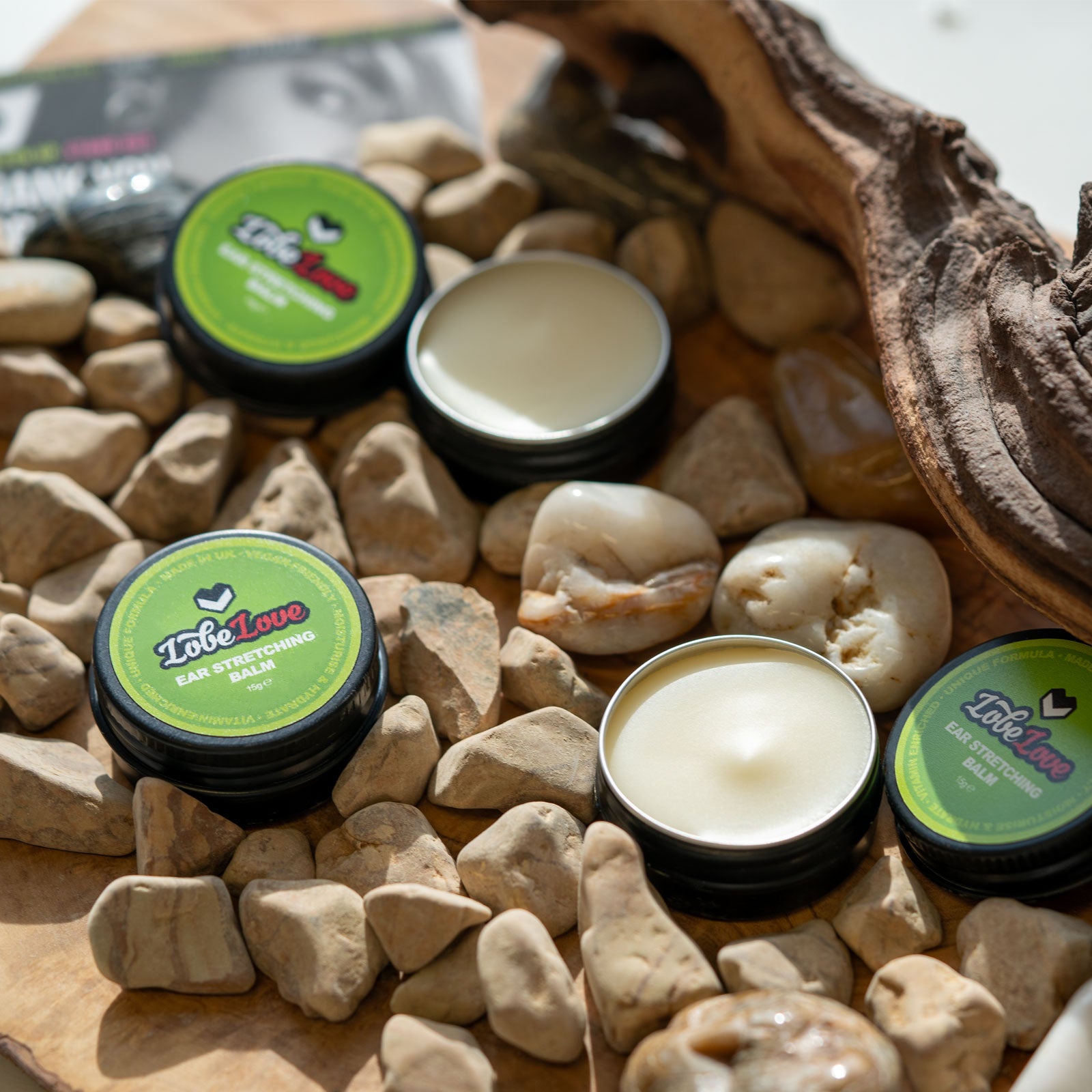
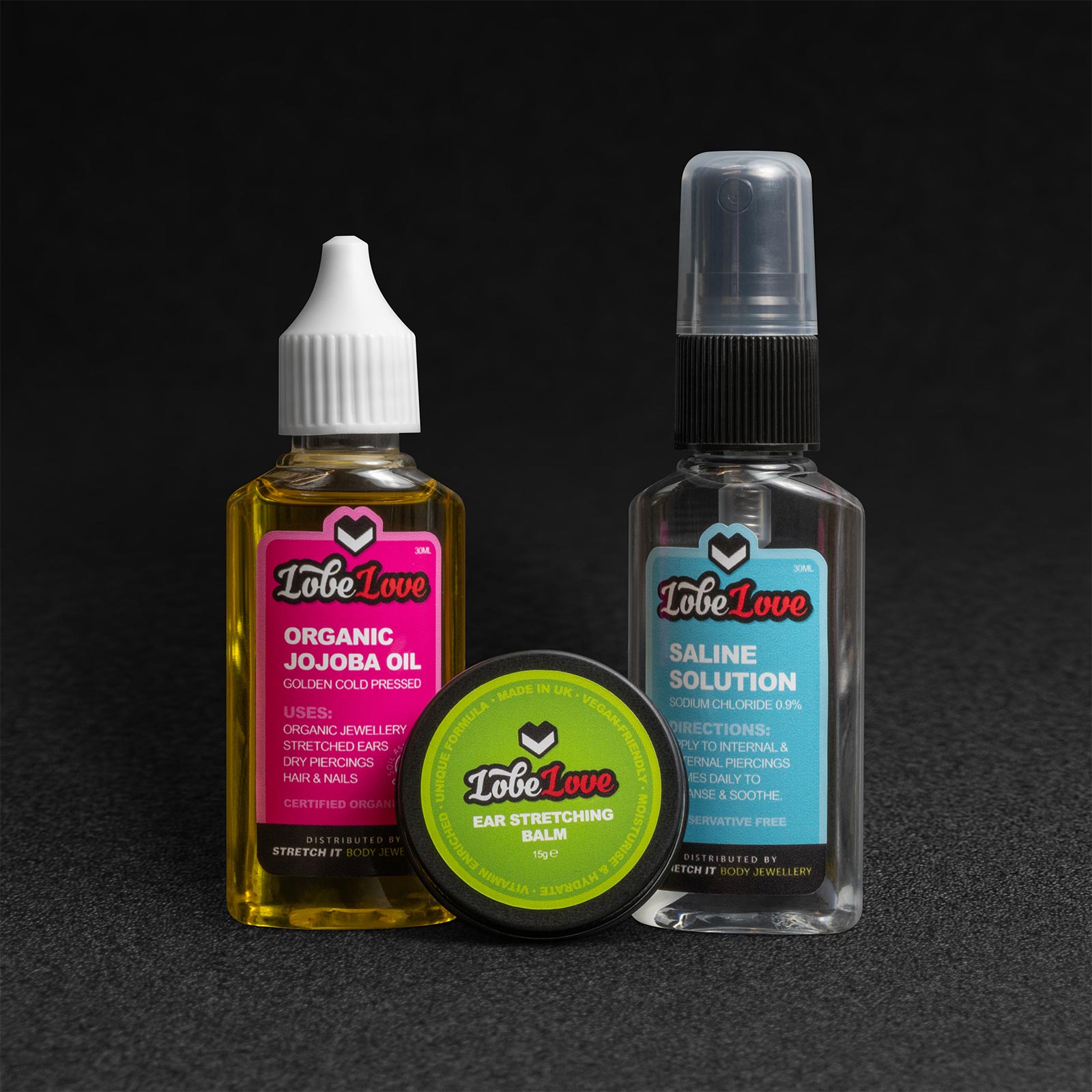
- Clean with saline. Spray pro fave LobeLove Professional Saline Piercing Spray on the front and back of a forward helix piercing once or twice a day. BPA Safe Solutions Piercing Aftercare is another handy option.
- Dry it gently - Pat with a clean, disposable paper towel. Put fluffy bath towels on temporary hold, because they harbour bacteria and love snagging jewellery.
- Keep hair tied back - Keep hair products, perfume and make-up well away from it too.
- Perform the travel pillow trick - Sleep with your ear in the hole of a travel pillow, so there's no pressure on your piercing.
- Clean your stuff - Wipe down headphones, phone screens and glasses regularly.
Don't
- Don't touch, twist or turn it - Hands off unless you've just washed them and you're cleaning it.
- Don't sleep on it - Pressure is one of the biggest causes of bumps and wonky healing.
- Don't wear headphones while it heals. Also be careful when you’re pulling tops on and off over your head.
- Don't swap your jewellery too early - We know there’s a shiny new ring winking at you. But wait until your piercer says it's ready.

How to Change a Forward Helix Piercing
Only change your jewellery once your piercer gives the green light it's fully healed. This will probably be in six to nine months for a forward helix piercing.
It’s well worth knowing cartilage piercings can shrink faster than you might think. So, have your new forward helix piercing jewellery ready before you start. Then follow these simple steps:
- Wash your hands thoroughly and give the area a spritz of saline.
- Threadless tops - Hold the flat back still, grip the top firmly and gently pull it straight out. To fit a new one, push the pin into the bar until it clicks comfortably into place.
- Hinged segment rings - Hold the ring either side of the hinge and gently swing the segment open. Slide it out, slide the new one in and click it closed.
- Give it a final clean and leave it alone.
Stop and go back to your piercer if anything feels stuck, painful or like it's fighting you.
All the Forward Helix Ear Piercing FAQs You’ve Ever Wanted to Know
Q. How painful is a forward helix piercing?
A. It's a 5/10 on the pain scale. Expect a sharp pinch, followed by a warm throb. Cartilage hurts more than a lobe. But it's quick.
Q. How long does a forward helix piercing take to heal?
A. Around six to nine months for a full heal. It might look good to go sooner. But keep your first forward helix piercing jewellery in until your piercer says it's ready to change.
Q. What gauge is a forward helix piercing?
A. Usually 1mm (18g) or 1.2mm (16g). Pair that with a 6mm ring (8mm max) or a 5 - 6mm labret bar once it’s healed.
Q. How much is a forward helix piercing?
A. It varies by studio, location and the jewellery you choose. Read How Much Do Piercings Cost for a fuller breakdown.
Q. Is it hard to heal a forward helix?
A. It's slower than a lobe rather than difficult. Most problems come from knocking it, sleeping on it or changing the jewellery too early. For all these reasons, the golden rule is to keep it clean and leave it be.
Small Spot, Big Ear Energy
At Stretch It Body Jewellery, we've got you covered if it’s your first piercing or your fiftieth.
Head over to our website for everything you need to know about forward helix piercing, aftercare and jewellery, plus a cherry-picked Forward Helix Piercing collection of implant grade titanium in the exact sizes to fit this placement like a glove.
Featured in this post
Shop this post


Ready to shop?
Forward Helix Piercing
32 styles. Implant-grade titanium, steel and gold. Free UK delivery over £30, 7,000+ five-star reviews.
Shop forward helix piercing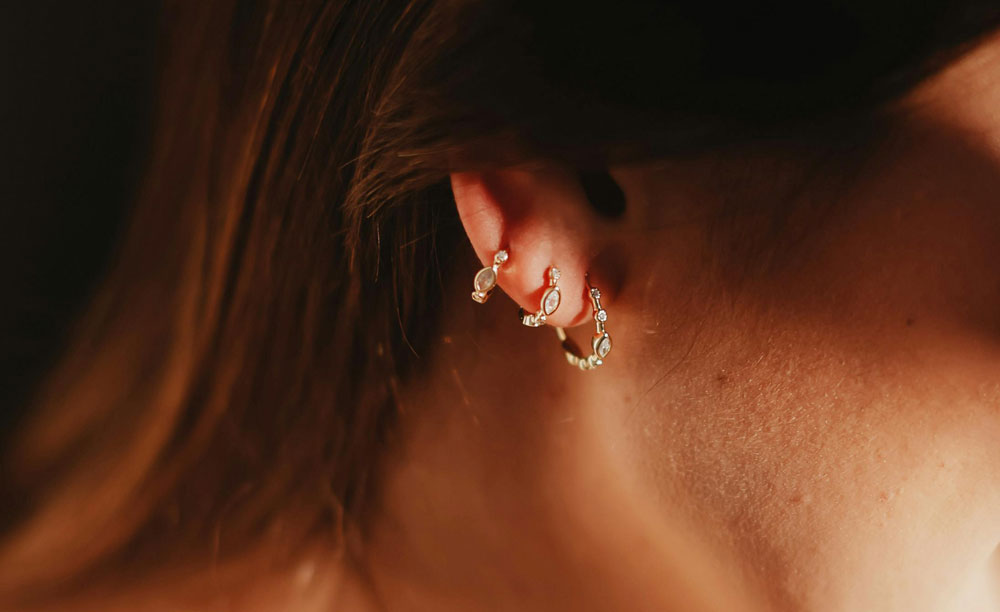


Shop the range
Forward Helix Piercing
32 styles. Implant-grade titanium, steel and gold. Free UK delivery over £30, 7,000+ five-star reviews.
Shop now